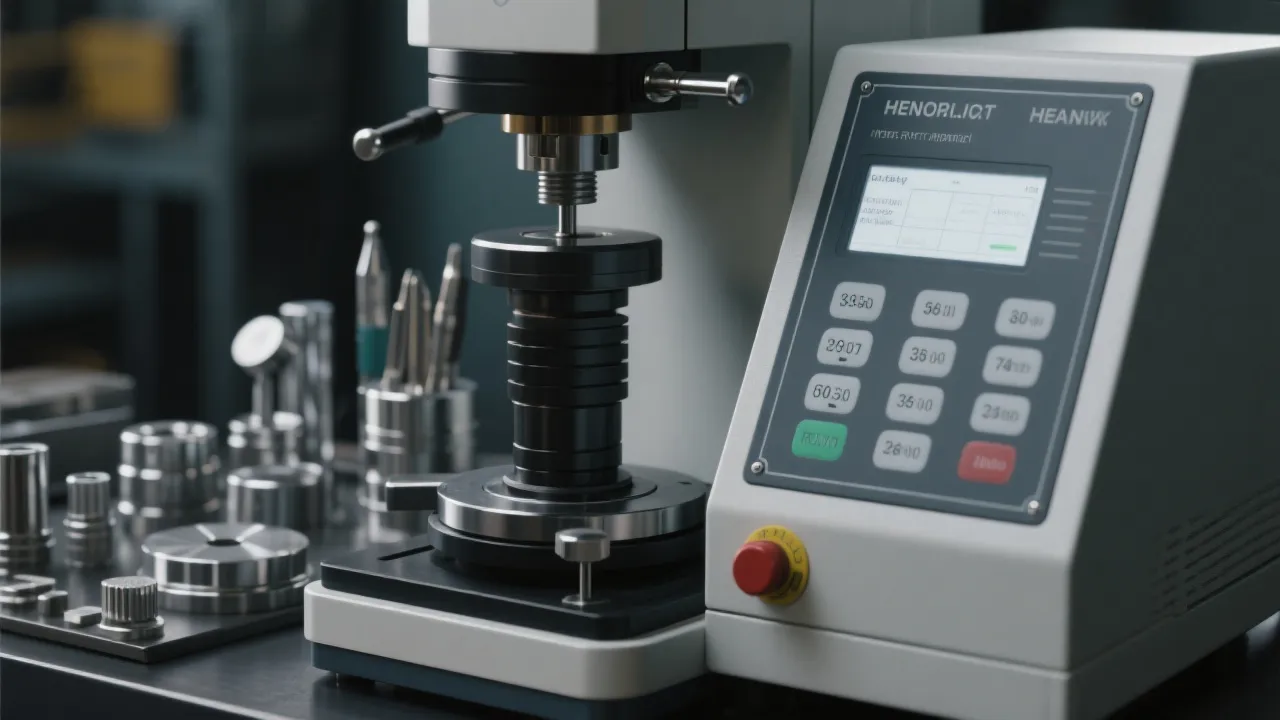
Metallographic analysis equipment is used to turn a material into a measurable, observable sample.
In industrial inspection, the value of metallographic analysis equipment lies in the complete workflow it supports: sample preparation, microscopic observation, and material structure analysis. For laboratories, production quality teams, and research users, this workflow helps convert a raw material into clear evidence about grain structure, inclusions, heat treatment results, surface conditions, and other structural characteristics. Laizhou Jincheng Industrial Equipment Co.,Ltd focuses on this field with equipment and consumable solutions built for practical inspection needs.
A complete metallographic inspection chain usually begins with preparation and ends with observation and interpretation. When each stage is controlled properly, the final result is easier to read, easier to compare, and more suitable for quality control and technical review.
Metallographic analysis equipment is not a single machine in isolation. It is a connected set of tools used to prepare a specimen, expose the material’s internal structure, and support microscopy-based evaluation. In practical use, the process often includes cutting, mounting, grinding, polishing, etching, and then microscopic observation.
This inspection chain is important because the quality of the sample directly affects the quality of the observation. If preparation is inconsistent, the microstructure may be difficult to identify. If the specimen is well prepared, the analysis becomes more reliable and more useful for decision-making.
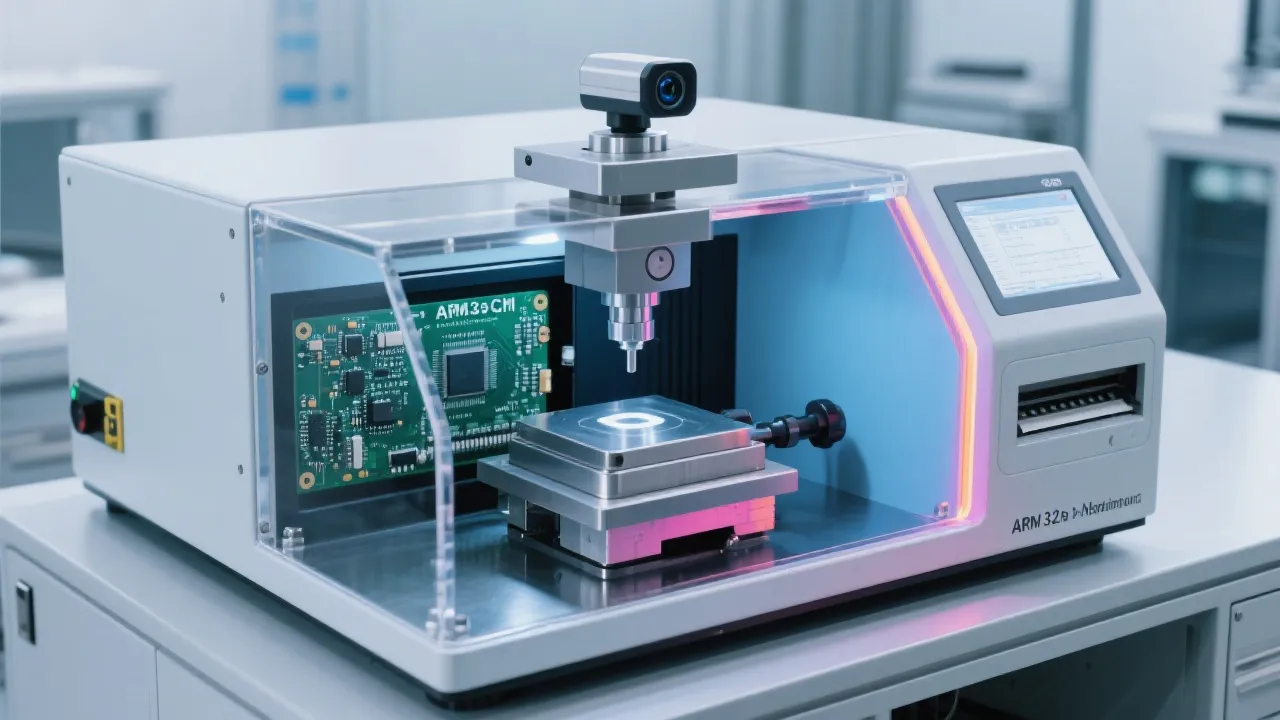
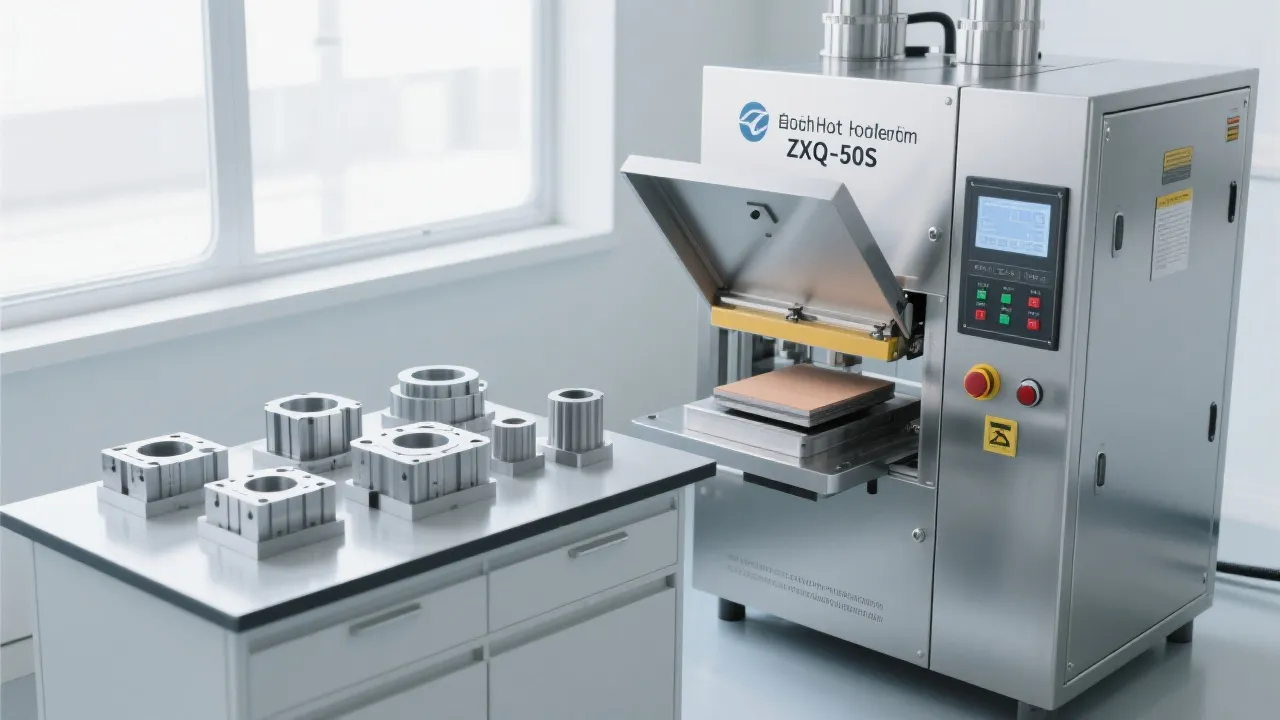
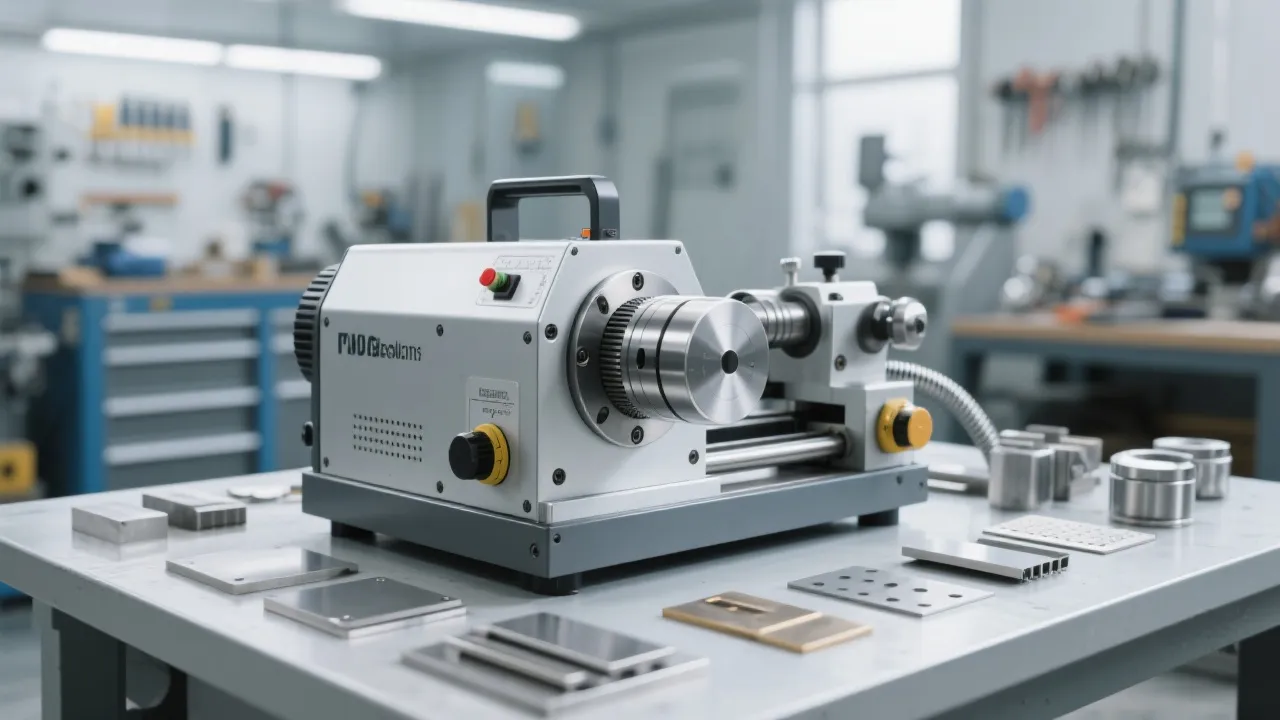
Sample preparation is the foundation of metallographic inspection. It aims to create a flat, clean, and representative surface so that the internal structure can be revealed under a microscope. Laizhou Jincheng provides manual metallographic preparation equipment as well as computerized preparation solutions to support different workflow requirements.
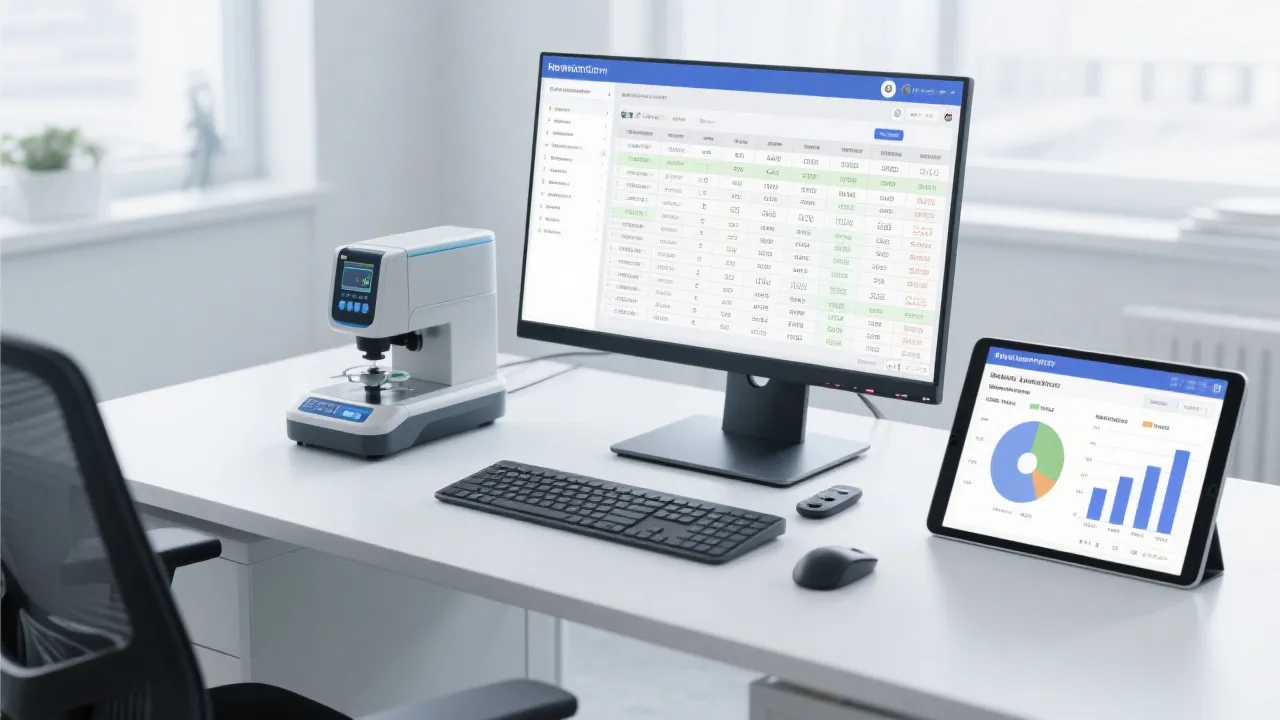
After preparation, the specimen is observed under a microscope to identify structural features and surface conditions. This step helps technicians and engineers review the material in a controlled and repeatable way, especially when they need to compare processing results or verify product quality.
Material structure analysis uses the observed image and preparation result to support evaluation of a metal or alloy’s internal condition. It is widely used in manufacturing, metallurgy, chemical processing, power systems, universities, and research organizations where structural understanding matters for performance and control.
Laizhou Jincheng Industrial Equipment Co.,Ltd supplies both manual and computerized metallographic preparation solutions. Each system serves a different application context, and the best choice depends on inspection goals, workflow volume, and required consistency.
Computerized preparation solutions are especially useful when consistency, repeatability, and standardized procedures are required. In metallographic work, these qualities help support more reliable microscopic observation and better internal comparison across samples.
For metallographic analysis equipment, process control matters as much as hardware design. Laizhou Jincheng’s computerized preparation solutions are designed with reference to ASTM and ISO standards, supporting users who need structured and internationally recognized inspection practices.
In real inspection environments, the practical value of this approach is clear: the sample can be prepared more consistently, the observation result can be easier to interpret, and the overall process becomes more suitable for quality control, laboratory comparison, and technical documentation.
Metallographic analysis equipment is widely used wherever material performance, structure, and process quality must be examined with clarity. Typical use cases include:
Equipment selection: choosing the right manual or computerized system based on the actual inspection task.
Consumable support: maintaining stable preparation quality with matching accessories and related materials.
After-sales service: providing installation guidance and maintenance support to keep the workflow practical and manageable.
This is why many users prefer a complete solution rather than a single device. A consistent workflow reduces operational uncertainty and helps teams focus on results rather than equipment limitations.
Since 2004, Laizhou Jincheng Industrial Equipment Co.,Ltd has focused on metallographic testing and hardness testing, serving industrial users with equipment and consumable solutions built for real inspection workflows. For organizations that need reliable sample preparation and microscopic observation support, the company provides a practical foundation for material analysis and quality control.


Hardness-Tester7MHXZD-1000A-1.jpg?x-oss-process=image/resize,m_fill,h_600,w_600/format,webp)



Hardness-TesterHV-1000-1.jpg?x-oss-process=image/resize,h_1200,m_lfit/format,webp)