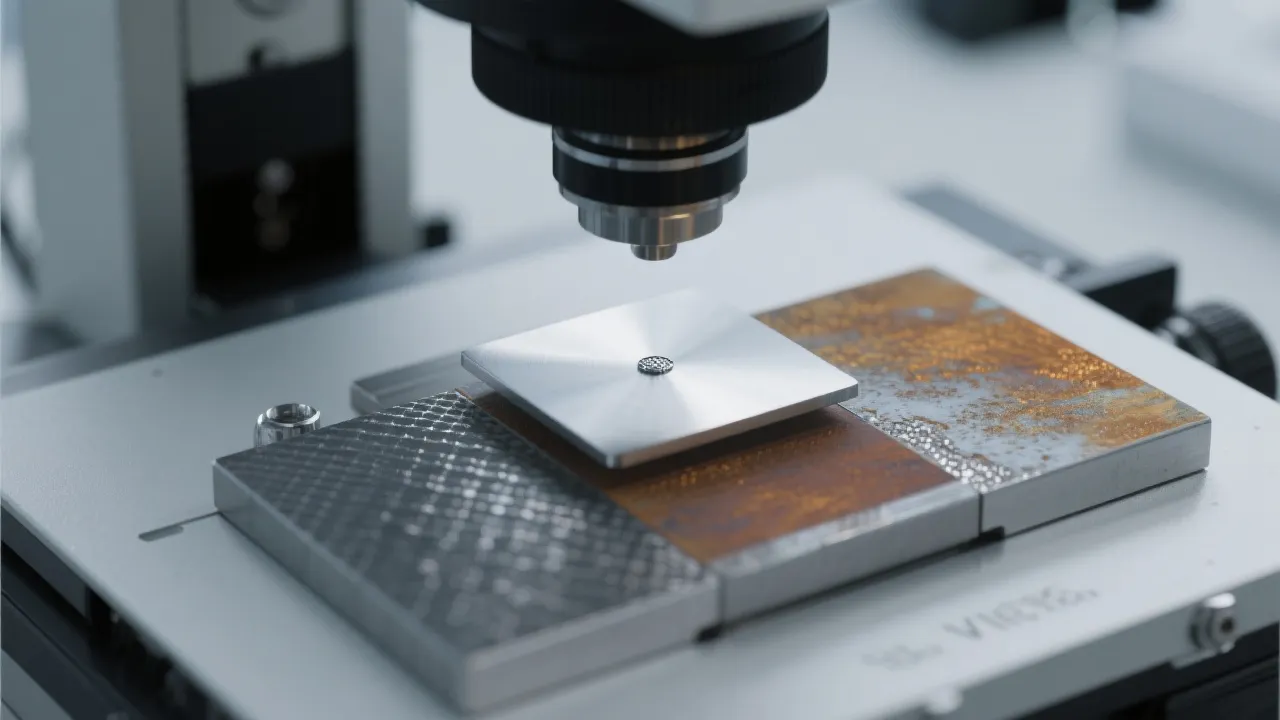
Metallographic testing equipment is a set of tools and systems used to prepare metallographic specimens and perform microstructure observation so engineers, researchers, and QC teams can make reliable quality analysis decisions. At Laizhou Jincheng Industrial Equipment Co.,Ltd (founded in 2004), we focus on metallographic and hardness testing fields and provide complete equipment and consumables solutions designed to support consistent lab workflows.
In plain terms: metallographic testing equipment helps you transform a raw material sample into an observation-ready surface (flat, damage-controlled, clean), then examine and document its microstructure to evaluate processing quality and material performance.
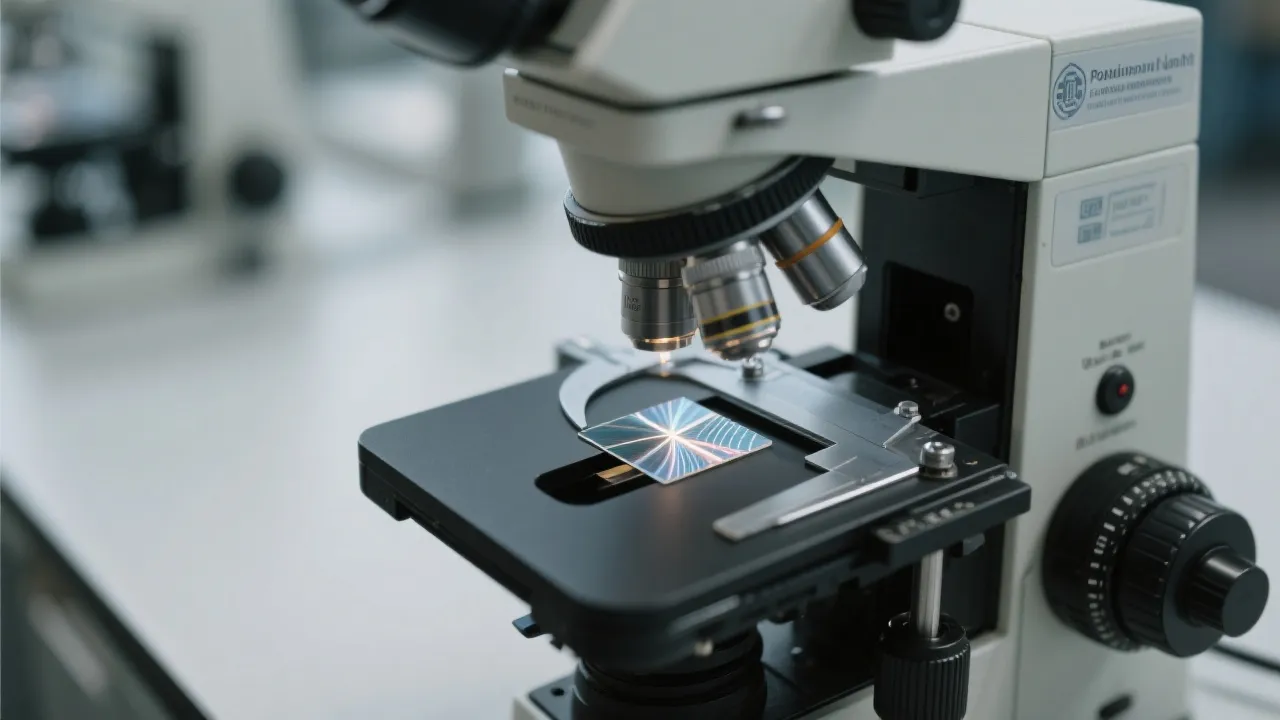
A typical metallography setup is organized around two connected needs: sample preparation and microstructure observation. Depending on the material and required standard, a lab may use manual devices for teaching and basic analysis, or computerized systems for higher repeatability and efficiency.
Although the exact procedure varies by material system and inspection objective, metallographic testing equipment typically supports a stable, repeatable workflow:
Practical note: In metallography, preparation quality determines observation quality. Consistent pressure, time, and sequence control are key to improving repeatability.
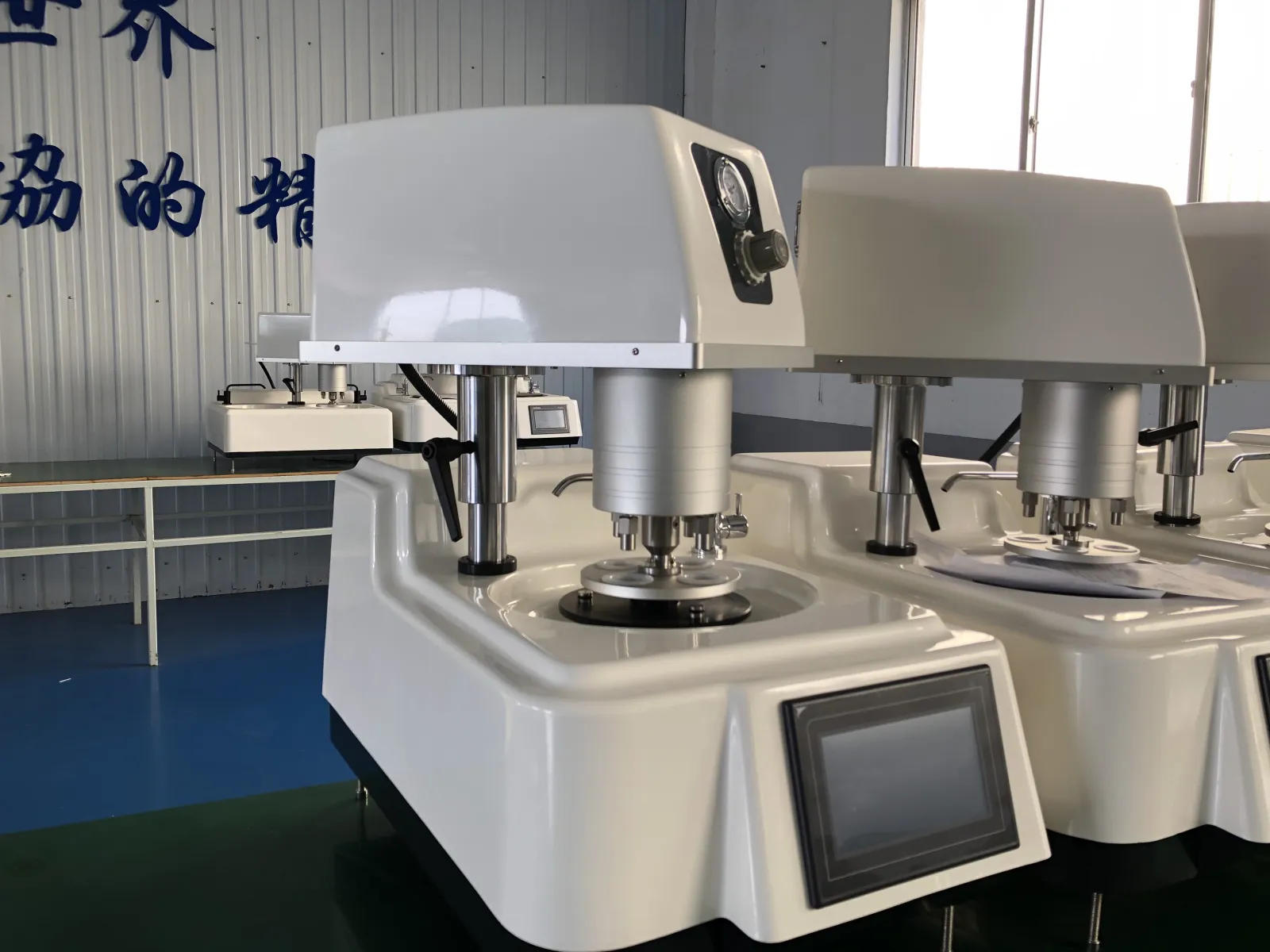
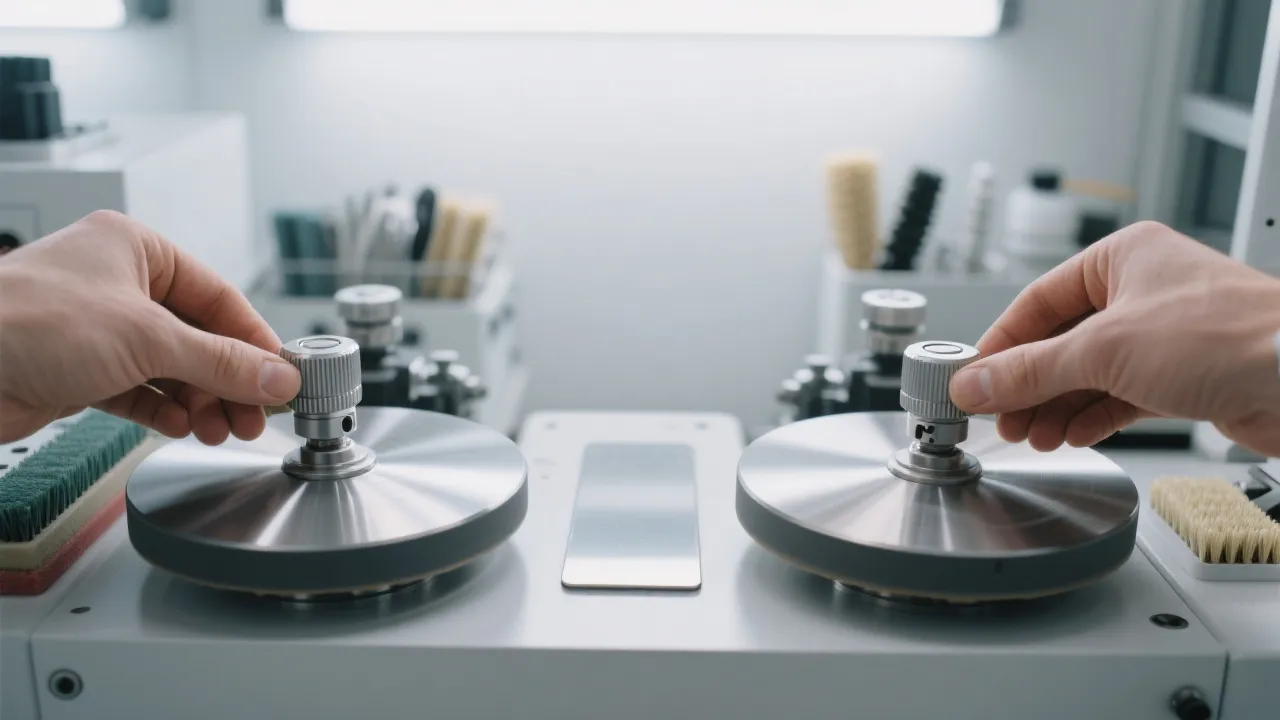
Laizhou Jincheng Industrial Equipment Co.,Ltd provides both manual metallographic sample preparation equipment and computerized preparation solutions. The right choice depends on throughput, required repeatability, and the lab’s standardization needs.
| Comparison Item | Manual Systems | Computerized Systems |
|---|---|---|
| Precision & repeatability | Relies more on operator skill and consistency | Automation control helps improve repeatability for standardized workflows |
| Efficiency | Suitable for lower throughput or teaching environments | Supports higher throughput and more consistent cycle control |
| Typical use | Basic education, initial material analysis, routine tasks | R&D labs, precision industrial inspection, standard-driven quality analysis |
| Control & parameter management | Direct hands-on adjustments, intuitive learning curve | Programmable control helps maintain consistency across operators and shifts |
Metallographic testing equipment supports microstructure analysis and quality analysis across multiple industries and institutions:
For certain large-scale metallurgical enterprises, Laizhou Jincheng can also support design, development, and manufacturing of specialized online testing equipment based on user requirements (scope determined per project).
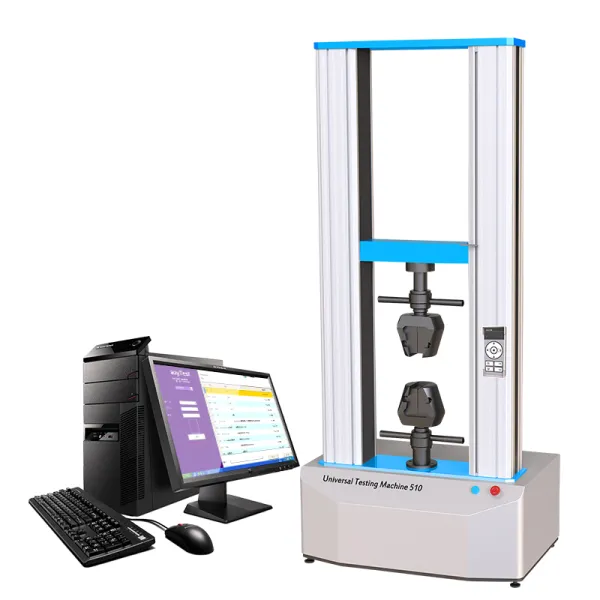
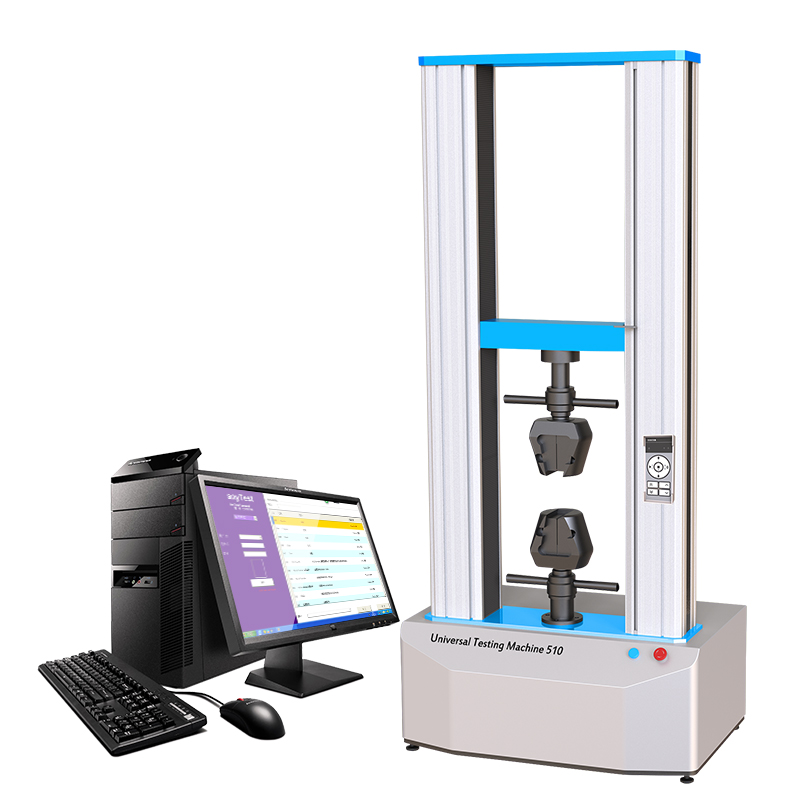
While metallography focuses on microstructure observation, tensile testing helps evaluate mechanical behavior. For labs building a more complete materials testing workflow, the UTM-100KNM provides:
When to consider adding tensile testing: if your quality analysis requires correlating microstructure (metallography) with mechanical performance (UTM testing), especially in manufacturing validation and R&D studies.
Material class, hardness level, and surface condition directly influence consumables and preparation sequence.
Manual systems suit training and lower volume; computerized systems help standardize parameters for repeatability.
Consider how images, preparation records, and inspection results will be documented and reviewed in your workflow.
If you’re building or upgrading a metallography lab, Laizhou Jincheng Industrial Equipment Co.,Ltd can help clarify the preparation route (manual vs computerized), the observation needs, and the matching consumables—so the metallographic testing equipment supports consistent results in real-world quality analysis.
Hardness-Tester7MHVS-1000A-1.jpg?x-oss-process=image/resize,m_fill,h_600,w_600/format,webp)

Hardness-TesterHV-5103050A-1.jpg?x-oss-process=image/resize,m_fill,h_600,w_600/format,webp)





-1.jpg?x-oss-process=image/resize,h_1200,m_lfit/format,webp)