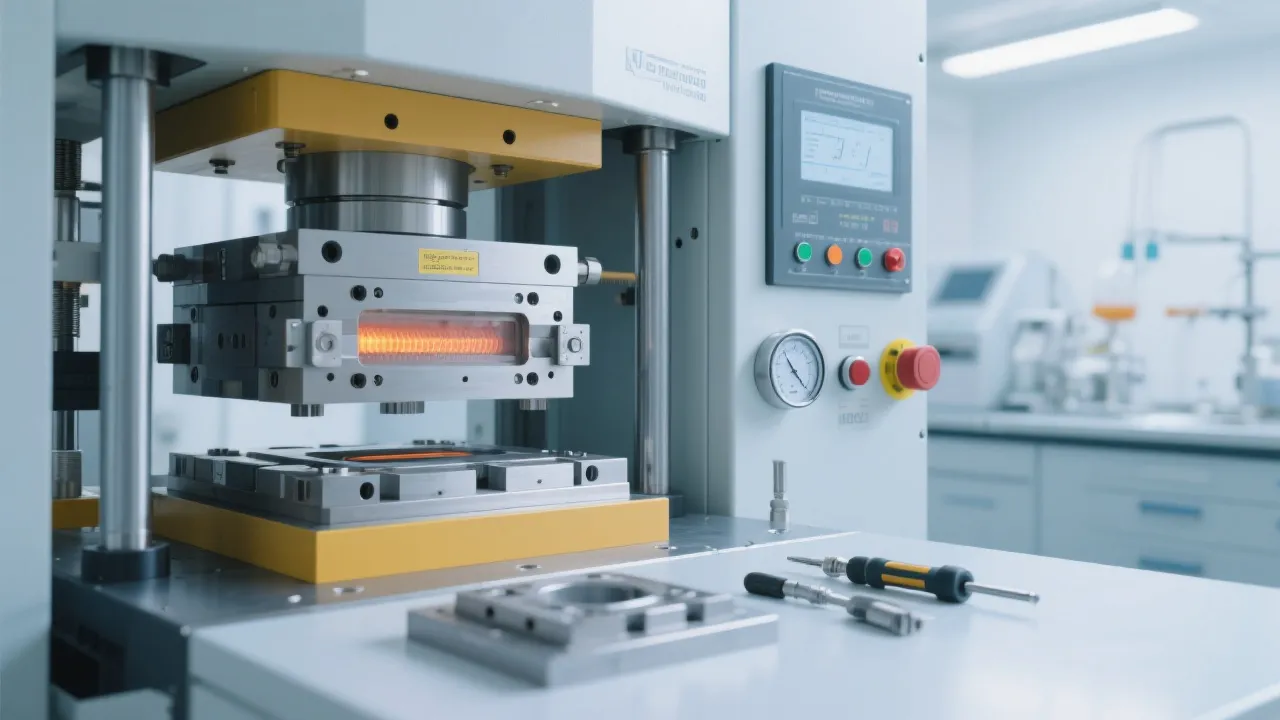
Metallographic testing equipment is used to prepare, observe, and document material microstructures so manufacturers and laboratories can validate processes, investigate failures, and support quality control decisions with traceable evidence.
As a B2B supplier focused on metallography and hardness testing since 2004, Laizhou Jincheng Industrial Equipment Co.,Ltd provides metallographic preparation/inspection solutions and related hardness instruments used in mechanical manufacturing, metallurgy, chemical and power industries, universities, and research institutes.
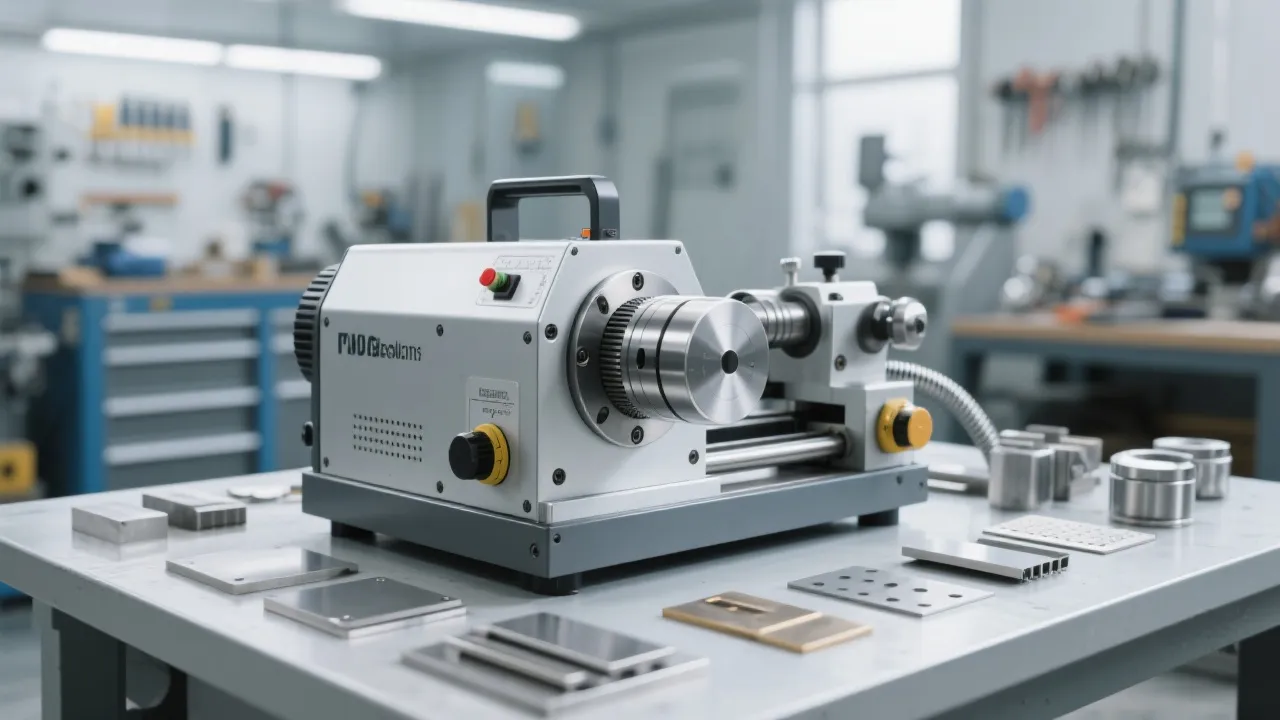
Preparing a representative surface is the foundation of reliable microstructure observation. Typical preparation involves mounting (if needed), grinding, polishing, and (for many alloys) etching—so microstructural features can be revealed consistently.
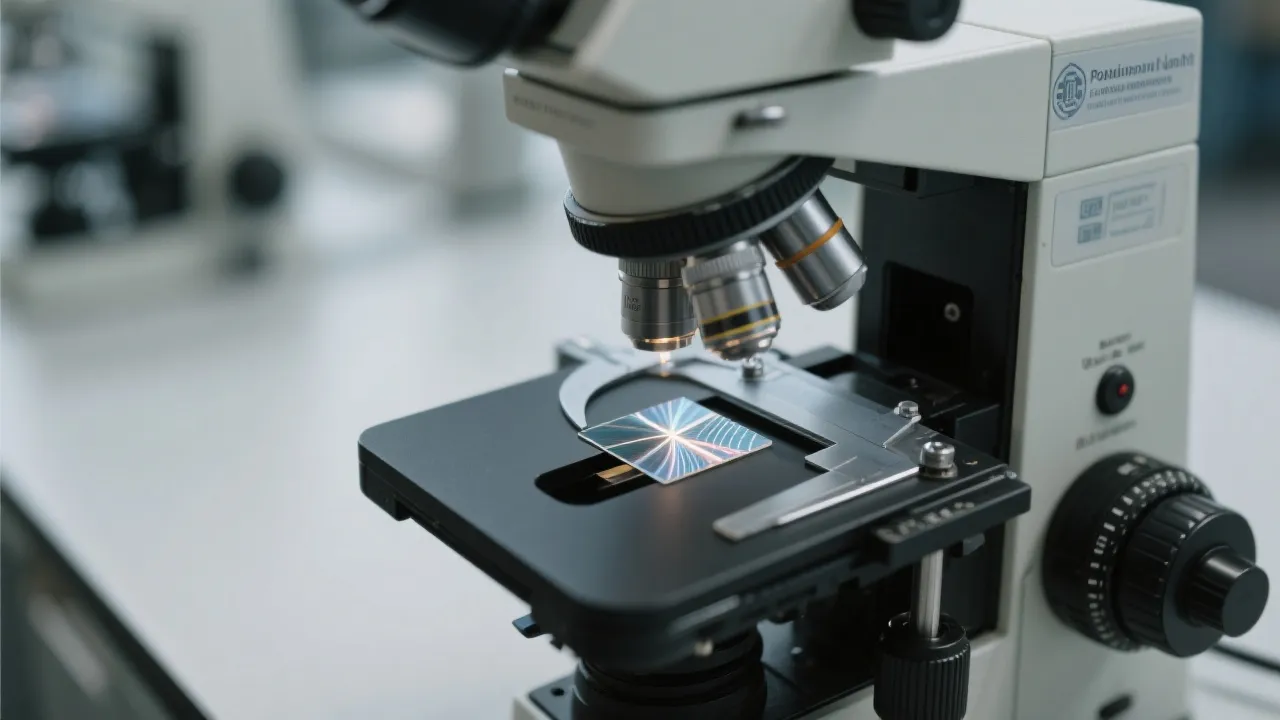
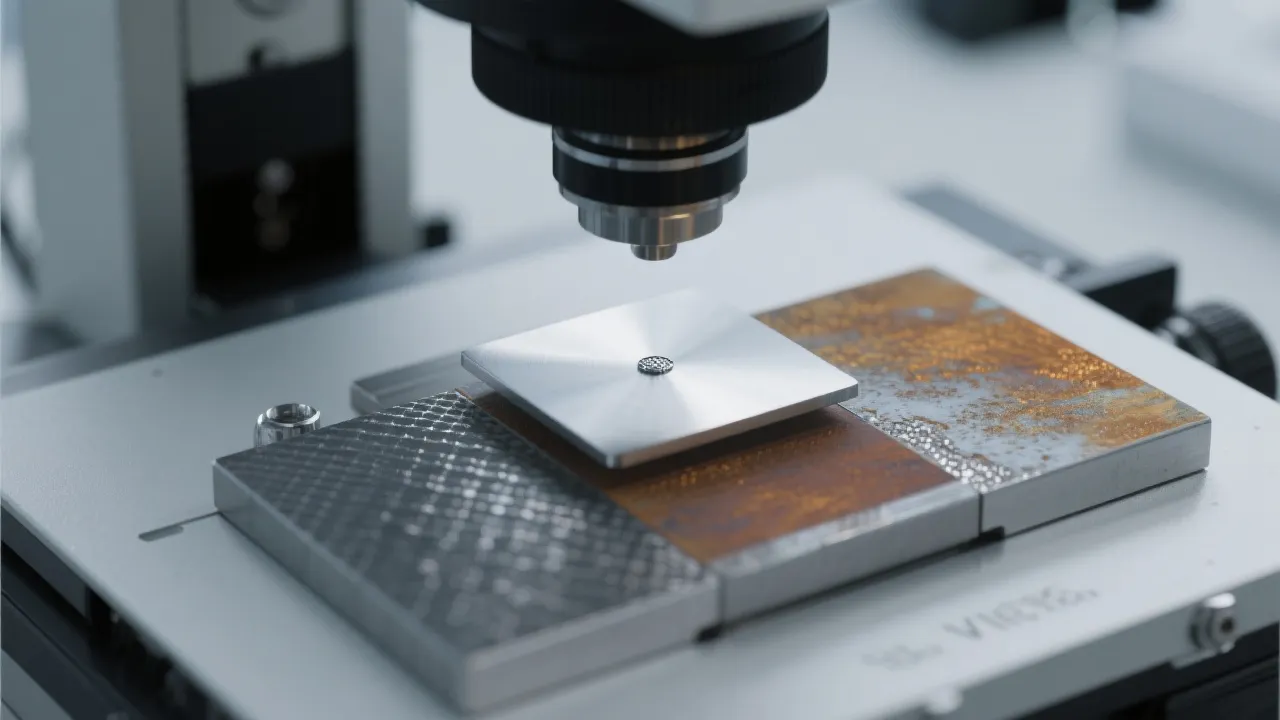
Optical observation and image capture allow teams to examine grain structure, phases, inclusions, and surface/heat-treatment effects. Documented micrographs support internal QA/QC traceability and technical communication with customers or auditors.
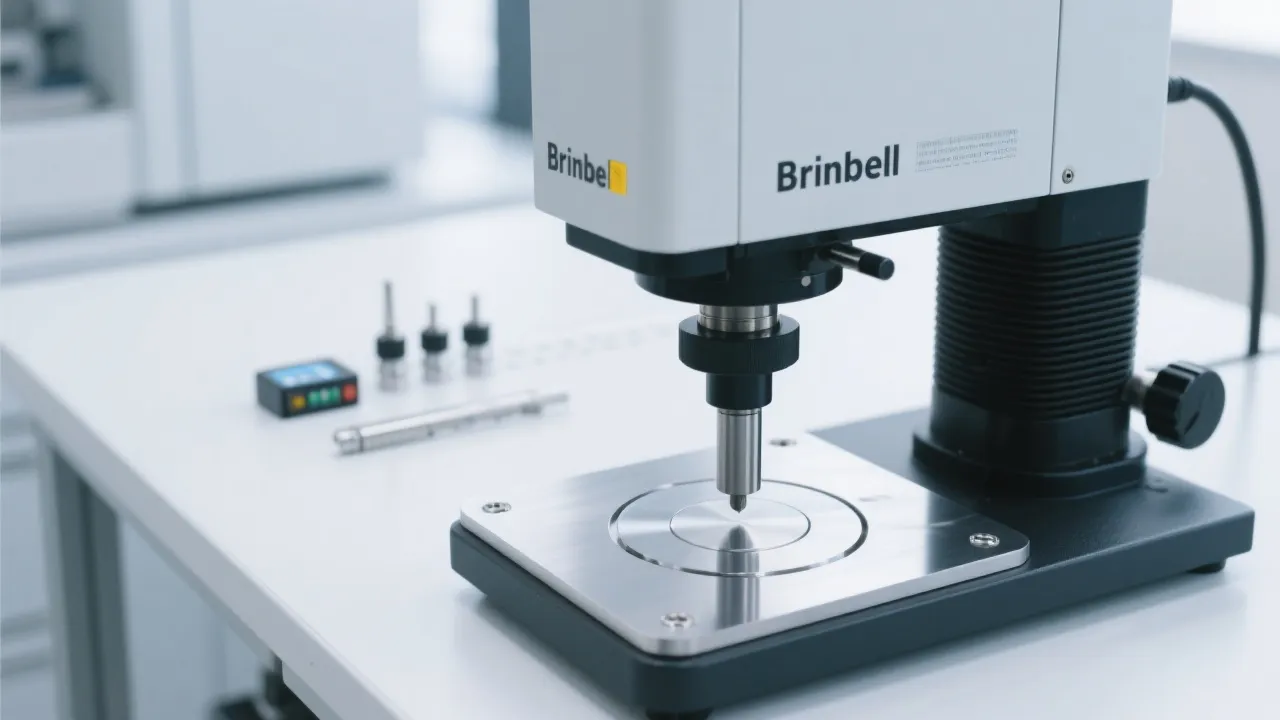
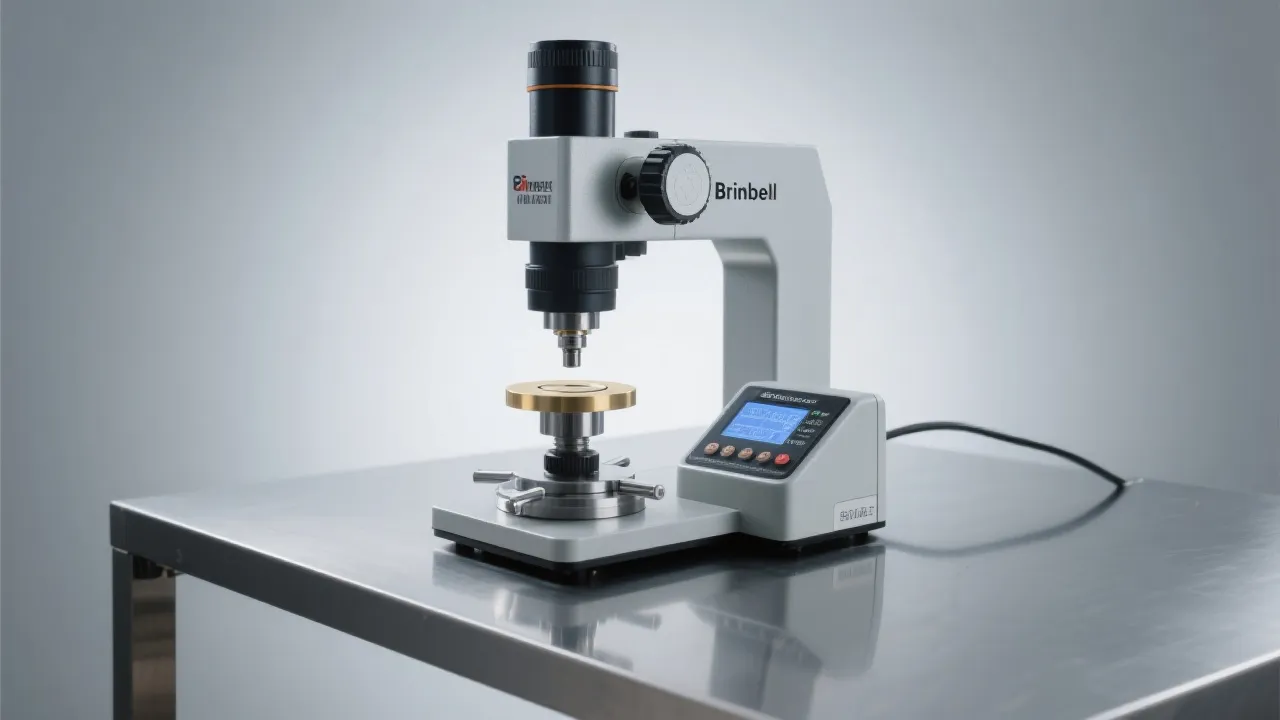
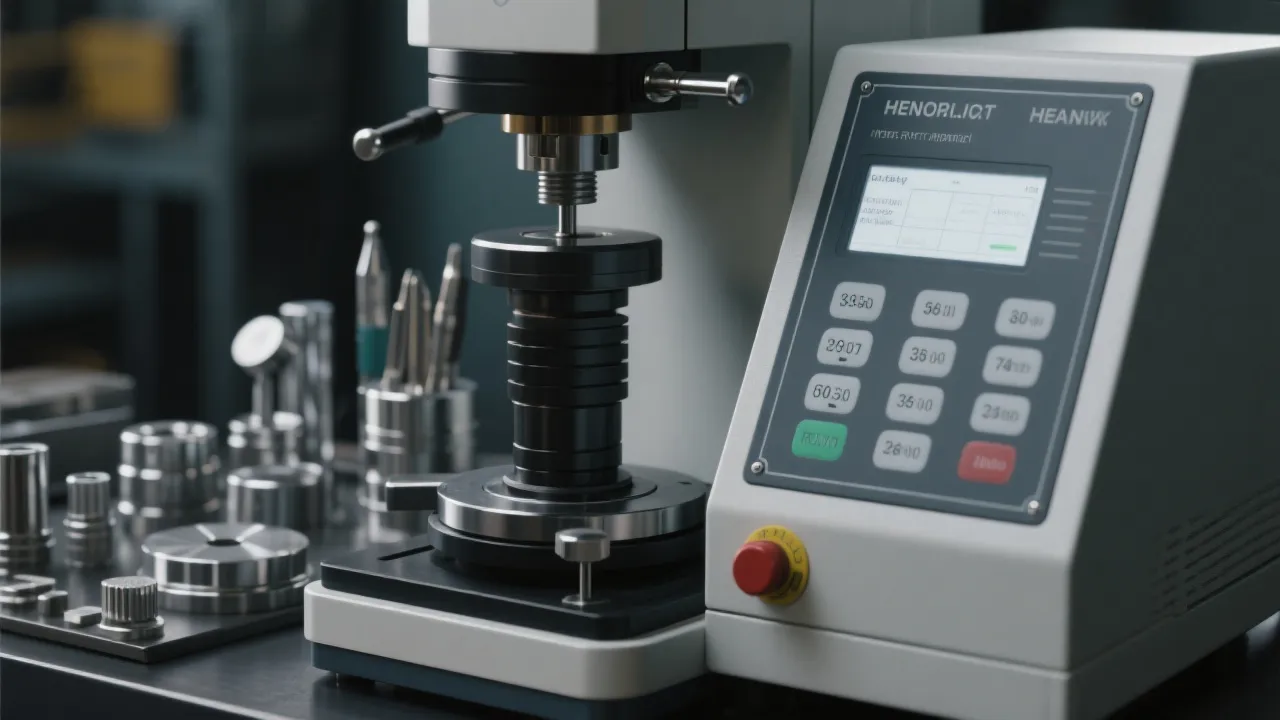
Metallography is frequently paired with hardness testing to connect microstructure to mechanical performance. In production and R&D, hardness data helps validate heat treatment, confirm material condition, and support quality control decisions.
Practical point: microstructure results are only as reliable as the preparation quality. Stable, standardized preparation steps reduce interpretation risk and improve comparability between operators and labs.
| Topic | Manual preparation / basic workflows | Computerized preparation / inspection workflows |
|---|---|---|
| Typical users | Teaching labs, entry-level analysis, small-batch tasks | R&D labs, precision manufacturing QA/QC, high repeatability needs |
| Operator dependence | Higher—results influenced by experience and consistency | Lower—automation helps standardize key steps and parameters |
| Repeatability & traceability | Good with trained operators and stable procedures | Designed for repeatable, documented workflows and consistent outputs |
| Inspection efficiency | Suitable for basic observation and small throughput | Higher—supports streamlined preparation and clearer imaging for decision-making |
| Best fit | Budget-conscious setups and foundational learning | Audit-friendly production QC, advanced research, and precision workflows |
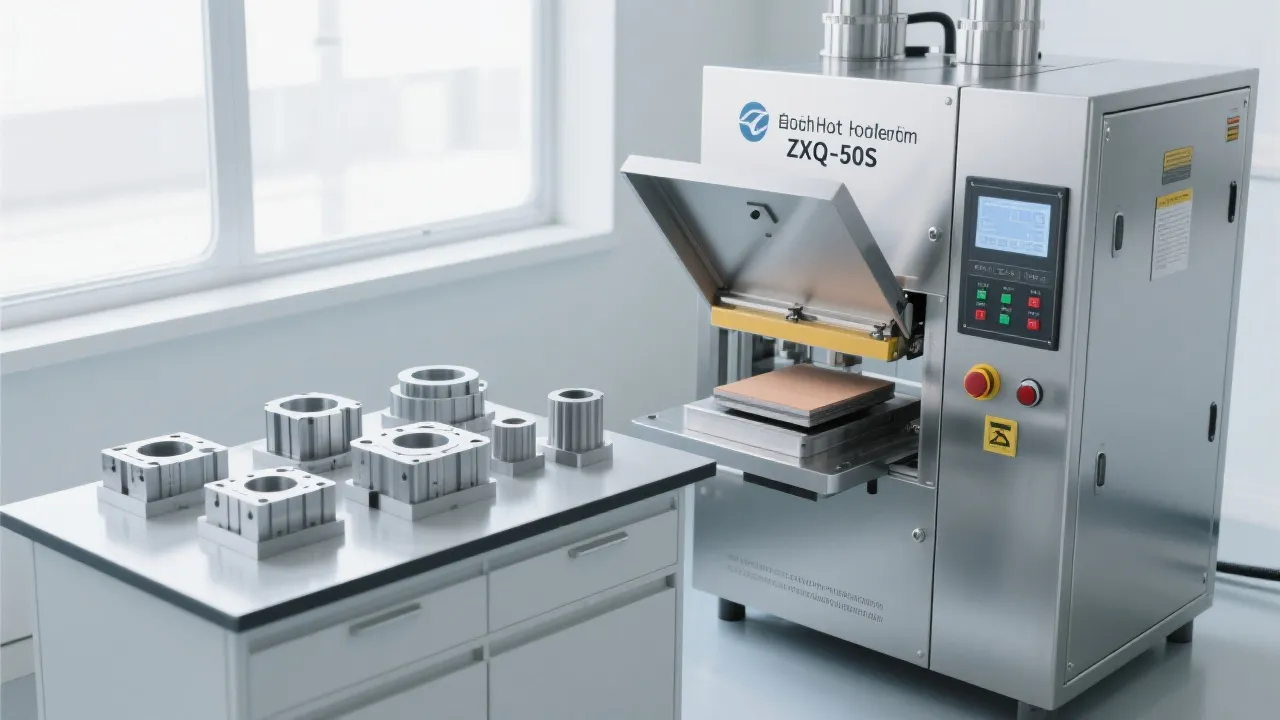
Laizhou Jincheng Industrial Equipment Co.,Ltd supports both ends of this spectrum—ranging from intuitive manual metallographic sample preparation equipment to computerized preparation/inspection solutions aligned with international practice.

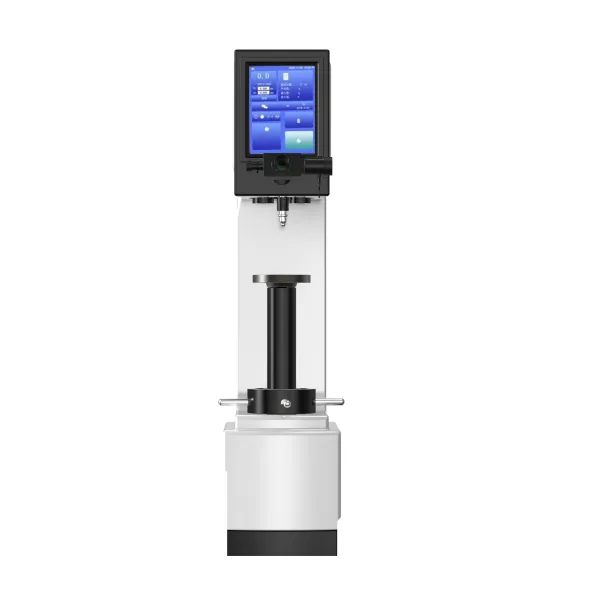
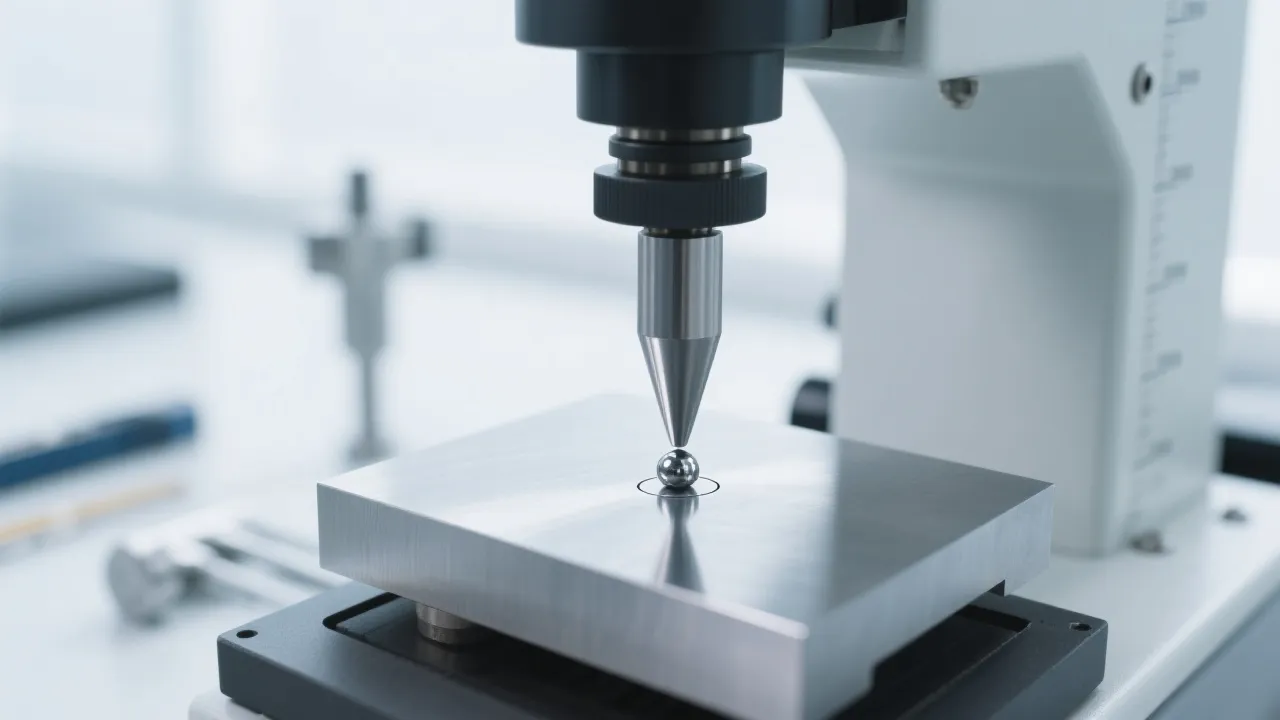
The HVS-5/10/30/50 digital manual-turret Vickers (micro) hardness tester is designed for metallurgical labs, mechanical manufacturing, and research organizations. It uses a closed-loop load control system to keep test force stable, supporting consistent results. The stated repeatability error is ≤ ±0.5%, and the instrument is compliant with ASTM E384 and ISO 6507.
In a metallography workflow, micro-hardness testing can be used alongside microstructure observation to support process validation and quality control decisions—especially when evaluating fine structures, surface treatments, or small regions of interest.
Laizhou Jincheng Industrial Equipment Co.,Ltd (established in 2004) focuses on metallographic inspection and hardness testing. We provide complete equipment and consumables solutions—from manual metallographic sample preparation for teaching and baseline analysis to computerized preparation/inspection workflows designed for precise, standards-aligned laboratory work.
Mechanical manufacturing, metallurgy, chemical, power, universities, and research institutes.
Metallographic preparation/analysis equipment and hardness testers, including the HVS-5/10/30/50 Vickers (micro) hardness tester.
Russia, Southeast Asia, and Europe (B2B).
If you are building or upgrading a metallographic testing setup—whether starting with manual preparation or moving toward computerized workflows—our team can help align equipment configuration with your application and standard requirements.