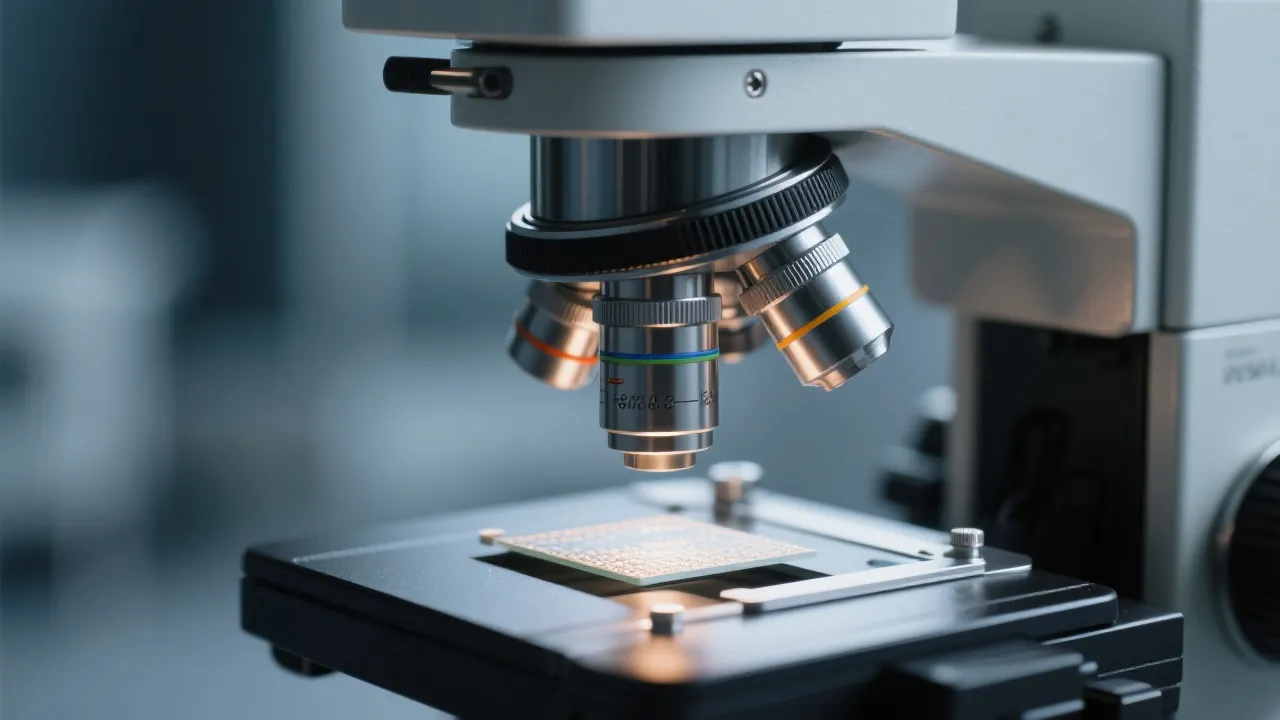
Metallographic testing equipment is a practical toolkit used to prepare a representative material specimen and then observe its microstructure under a microscope. In industrial settings, metallography connects laboratory evidence—grain structure, phases, inclusions, porosity, and heat-treatment features—to quality control decisions and root-cause analysis.
As a manufacturer focused on metallography and hardness testing since 2004, Laizhou Jincheng Industrial Equipment Co.,Ltd supports factories, universities, and research labs with equipment and consumables for repeatable sample preparation and reliable microstructure observation—aligned with widely used international practices such as ASTM and ISO.
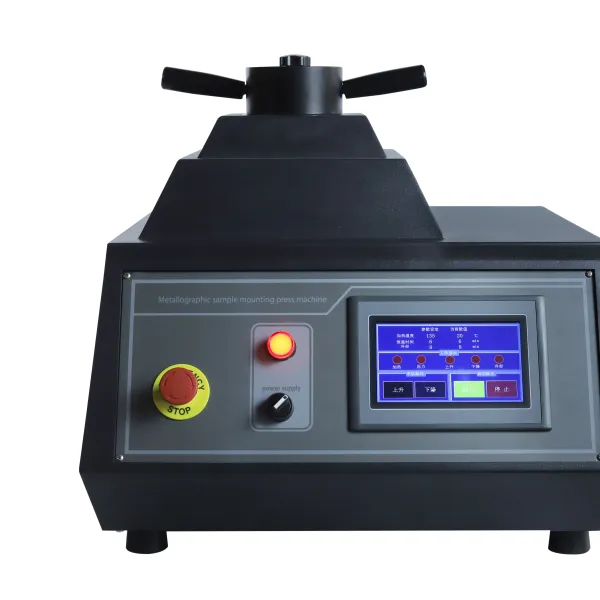
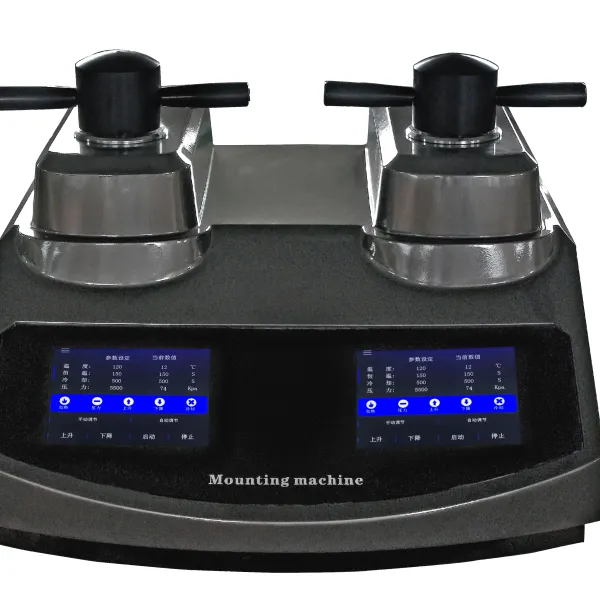
A complete metallographic workflow typically combines sample preparation equipment and microscopic inspection tools. The goal is to produce a flat, scratch-controlled, and properly etched surface so the true microstructure can be examined without preparation artifacts.
Note: The reliability of microscope results depends strongly on preparation quality—many “microstructure problems” are actually preparation artifacts.
Metallography is often used as an evidence-based method to link processing history to performance. When integrated into an industrial quality control process, metallographic testing equipment can support:
Different organizations require different levels of throughput, consistency, and documentation. Laizhou Jincheng Industrial Equipment Co.,Ltd provides both manual metallographic preparation equipment and computerized/automated preparation solutions so buyers can match capability to application needs.
| Selection factor | Manual preparation equipment | Computerized / automated preparation |
|---|---|---|
| Typical use | Teaching, basic training, preliminary materials checks, flexible one-off samples | Higher repeatability needs, standardized procedures, multi-operator environments |
| Consistency | More dependent on operator experience | Supports process control through programmable parameters and automation |
| Documentation | Typically manual recording and visual checks | Easier to standardize records and support image-based reporting workflows |
| Alignment with standards | Can meet ASTM/ISO practices with trained operation and correct consumables | Designed to help keep procedures stable across batches, supporting standardized practice |
Practical guidance: If your core requirement is repeatable microstructure observation for quality control, prioritize stable preparation parameters, reliable consumables, and an inspection workflow that supports traceable documentation.
Metallography and hardness testing answer complementary questions in materials analysis:
Focuses on what the structure looks like—grains, phases, distribution of inclusions, and structural uniformity—based on proper metallographic sample preparation and microscope observation.
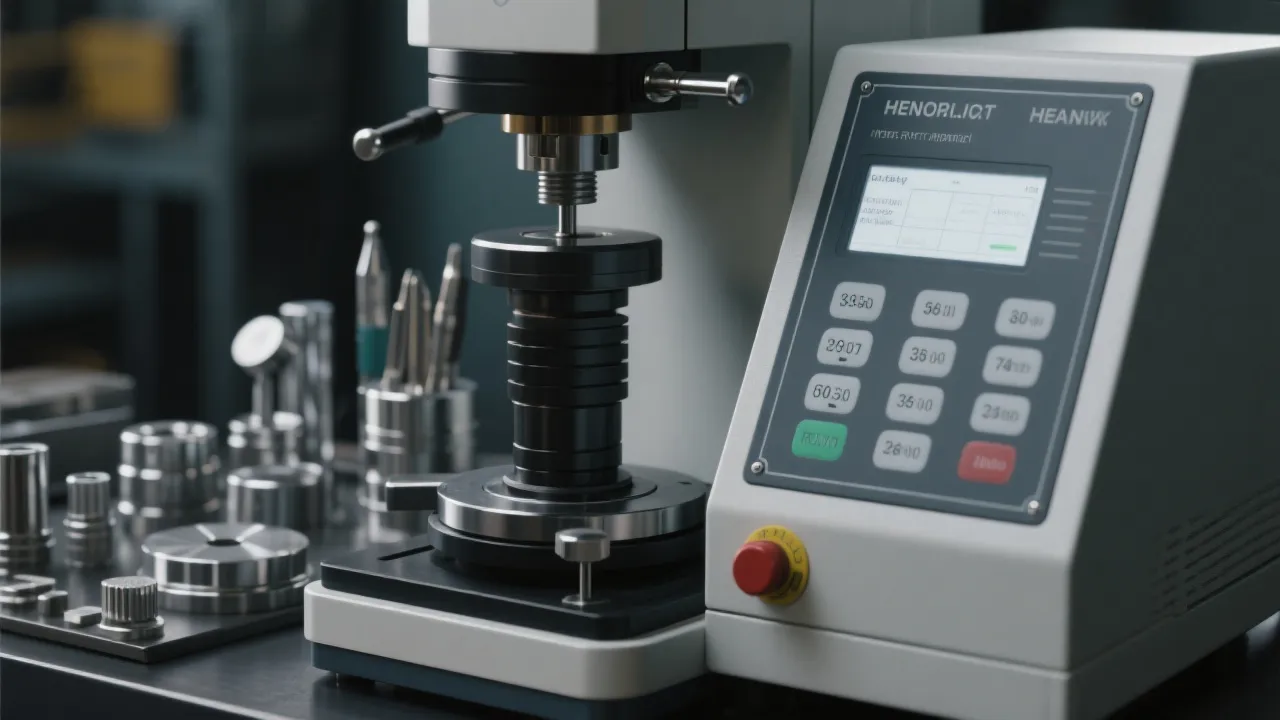
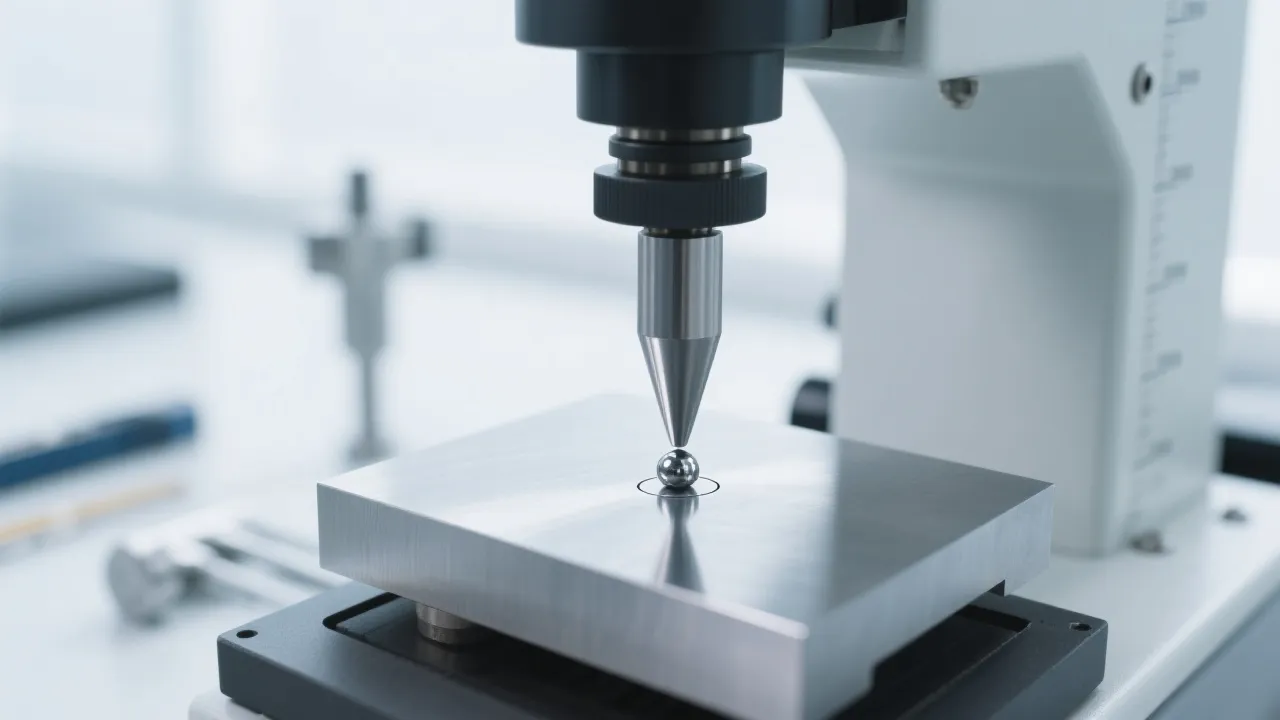
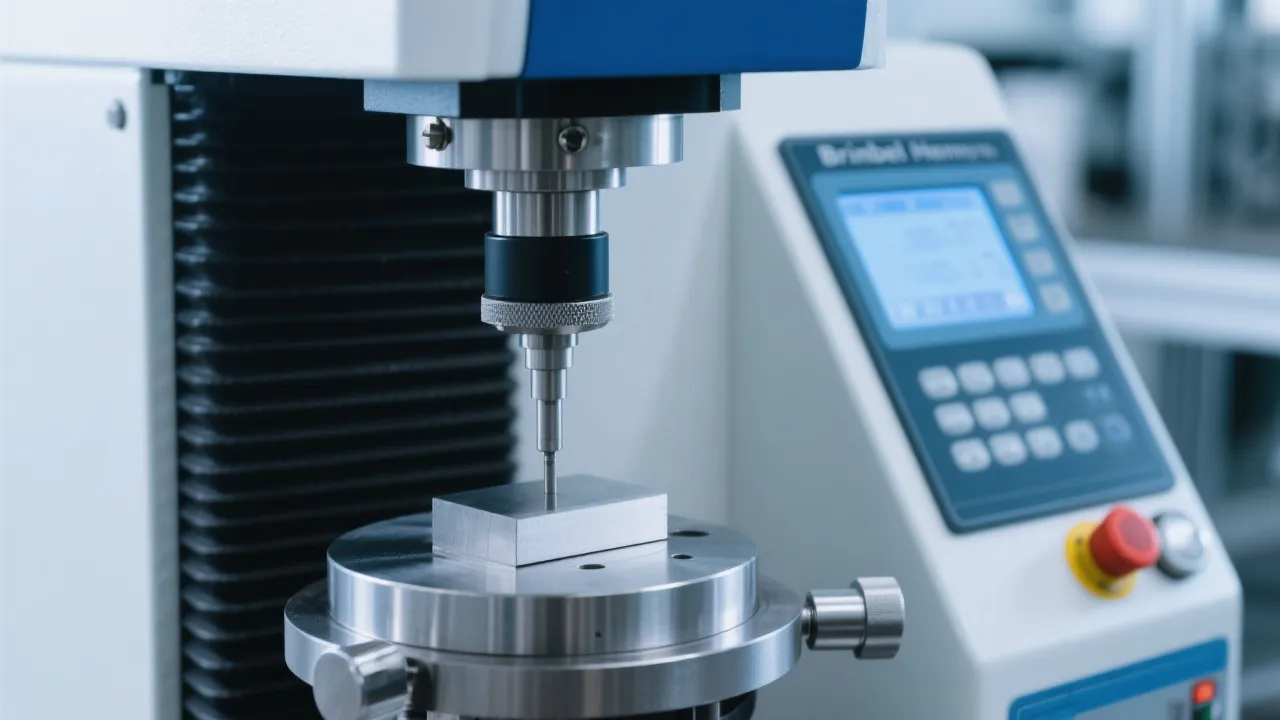
Focuses on numerical hardness values (e.g., Vickers, Brinell, Rockwell). In many quality control workflows, hardness results are evaluated together with microstructure evidence to improve decision confidence.
Laizhou Jincheng Industrial Equipment Co.,Ltd supplies both metallography equipment and hardness testers, enabling buyers to build a coordinated materials inspection capability.
With experience serving B2B markets including Russia, Southeast Asia, and Europe, we structure equipment configurations and support materials to match different lab practices and procurement expectations.
For first-time industrial buyers, the most effective evaluation is to map your sample types and reporting needs to the preparation-and-observation chain:
If you are building or upgrading a metallography capability, we can help you structure a practical solution around metallographic sample preparation and microstructure observation, with equipment and consumables suitable for industrial quality control and materials analysis.
Scope: manual preparation systems, computerized preparation solutions, and related inspection workflow support.
Fit: factories, universities, research labs, and projects requiring tailored metallography setups.
For accurate configuration, prepare details such as material type, sample size, throughput, and required standards/practices.