Metallographic Testing Equipment Explained: From Microstructure Observation to Process Quality Decisions
04 06,2026
Concept Explanation
Learn what metallographic testing equipment is, how it supports microstructure observation, process validation, and quality control, and how Laizhou Jincheng Industrial Equipment Co.,Ltd structures its metallographic solutions for different accuracy and automation needs.

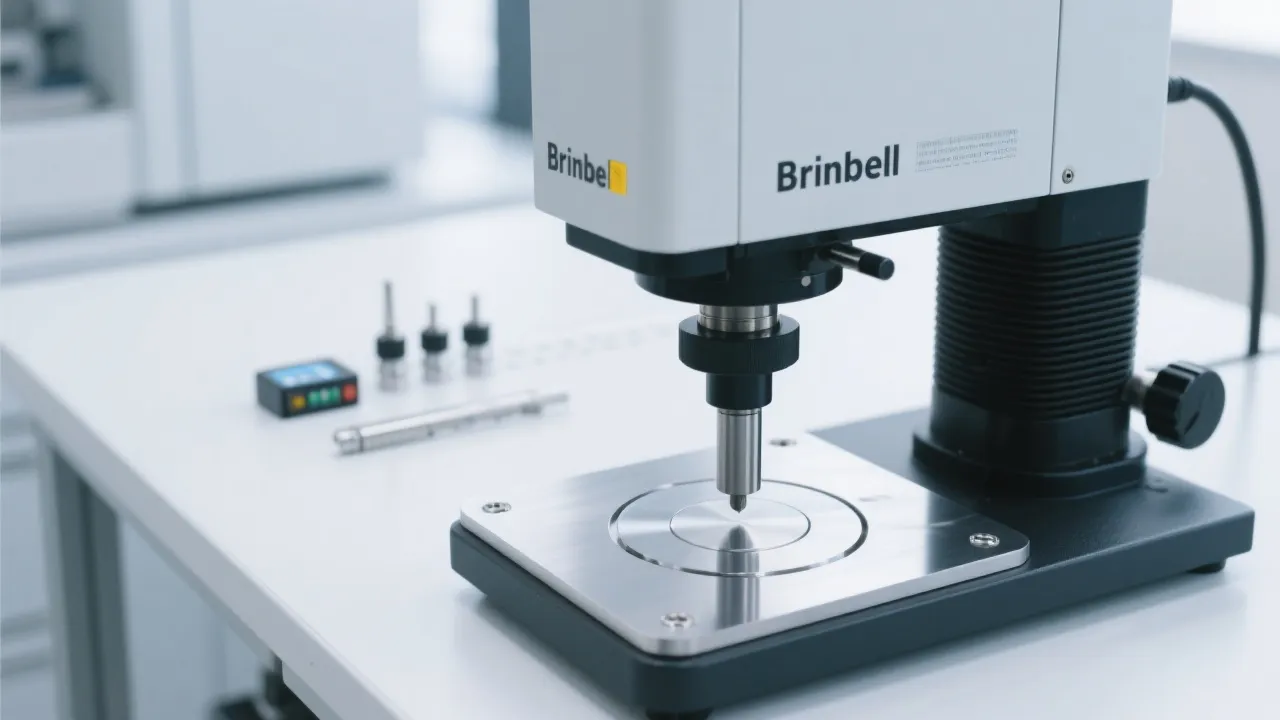
Metallographic testing equipment is a set of tools and systems used to prepare material specimens and observe microstructures so that engineering teams can make reliable decisions in microstructure analysis, process validation, and quality control. In practical workflows, metallography connects what happens in processing (heat treatment, forming, welding, coating, etc.) with what you can verify under the microscope—helping reduce uncertainty in production and research.
Brand context: Laizhou Jincheng Industrial Equipment Co.,Ltd (established in 2004) focuses on metallographic and hardness testing. We structure metallographic solutions from manual sample preparation to computerized/automated preparation to match different accuracy needs, throughput expectations, and operator skill levels.
What metallographic testing equipment includes
A complete metallographic workflow typically contains two tightly linked parts: specimen preparation (to reveal the true structure) and microstructure observation (to evaluate what the structure indicates). Depending on your lab’s objectives, systems can be configured as manual stations or computerized solutions with higher automation.
1) Sample preparation (specimen making)
- Sectioning & handling (cutting and safe holding of samples in a controlled manner)
- Mounting to support edges and improve repeatability during grinding/polishing
- Grinding & polishing to produce a flat, scratch-minimized surface
- Etching / surface revealing (where applicable) to bring out grains, phases, and boundaries
2) Microstructure observation & documentation
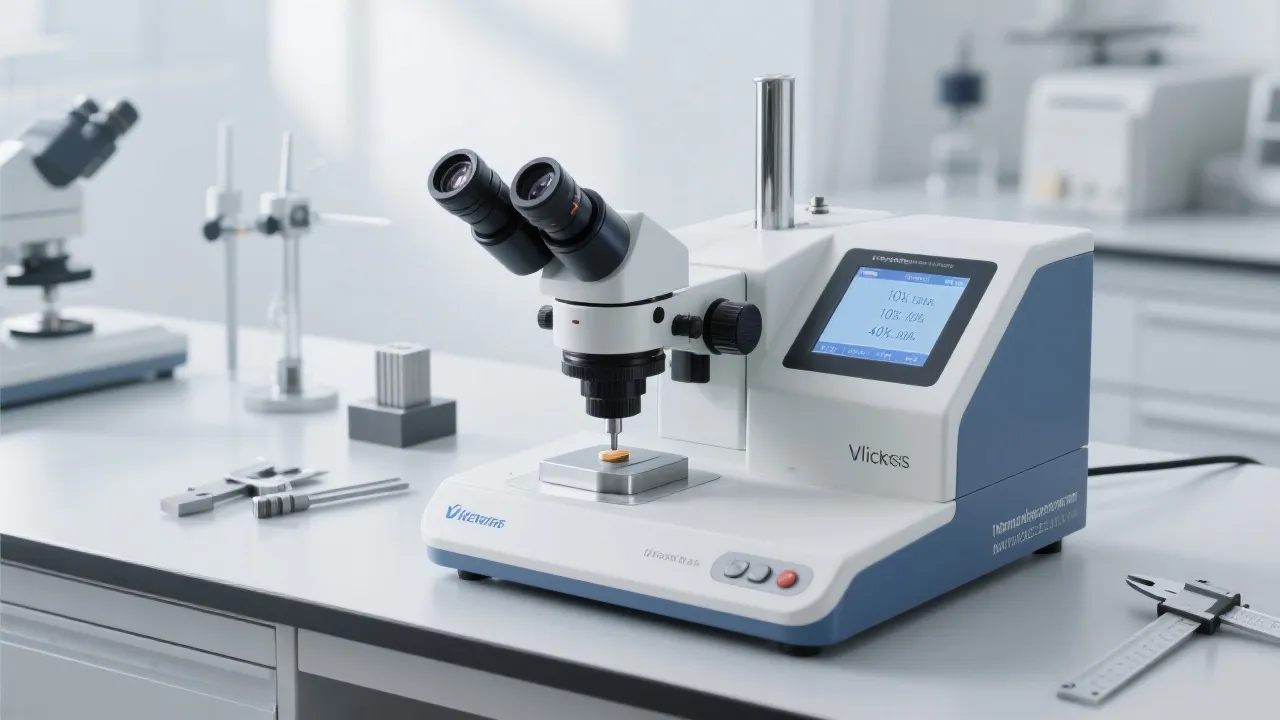
- Optical observation to view grains, inclusions, porosity, and heat-affected structures
- Image capture for traceability and internal reporting
- Comparison & evaluation against internal criteria or relevant standards
- Decision support for acceptance, process tuning, or further analysis
Why microstructure analysis matters in quality control
Microstructure is a direct reflection of material history and performance potential. Metallographic testing equipment helps teams move from “symptom-based” inspection to “cause-based” verification by examining structures that correlate with strength, toughness, wear behavior, and failure risk.
| What you need to verify |
How metallography supports it |
Typical decision outcome |
| Process validation (e.g., heat treatment consistency) |
Confirms whether the expected microstructure has formed and whether anomalies exist |
Adjust parameters, approve batch, or initiate rework |
| Incoming material evaluation |
Reveals internal features that may not be visible externally |
Supplier acceptance, segregation, or additional testing |
| Failure analysis support |
Helps identify structural indicators linked to cracking, inclusions, or processing defects |
Root-cause hypothesis and corrective action planning |
| Routine quality control |
Standardizes specimen preparation and documentation for repeatable checks |
Stable release criteria and improved traceability |
Manual vs. computerized metallographic preparation: choosing the right approach
The right metallographic testing equipment configuration depends on accuracy requirements, sample volume, and how standardized your process needs to be. Laizhou Jincheng Industrial Equipment Co.,Ltd provides both manual metallographic sample preparation equipment and computerized/automated preparation solutions.
Manual preparation equipment
Designed for straightforward operation and flexible teaching or basic lab use. Manual systems are often a practical fit for:
- Education and training environments
- Initial material analysis and routine checks with moderate throughput
- Workflows where operators prefer hands-on control
Computerized / automated preparation solutions
Built to increase repeatability and reduce operator variability through automated control. These solutions are commonly selected when you need:
- Higher consistency across operators and shifts
- Precision preparation for demanding R&D or tight QC windows
- Optical imaging support and standardized documentation as part of the workflow
Our metallographic equipment solutions are designed to align with widely used international practices and can be configured to meet ASTM and ISO-oriented preparation expectations, depending on your internal procedure.
Where metallographic testing equipment is used
Metallographic testing equipment supports procurement and technical teams across manufacturing and research settings. Laizhou Jincheng’s systems are commonly applied in:
- Machinery manufacturing quality laboratories
- Metallurgy and materials processing facilities
- Chemical and power industry material verification scenarios
- Universities and research institutes for teaching and R&D
Engineering note: Metallography is often used together with hardness testing for a more complete picture. As a manufacturer covering both metallographic and hardness testing fields, Laizhou Jincheng can help you align microstructure observation with hardness evaluation workflows when needed.
A practical workflow: from specimen to process decisions
For teams building or upgrading a metallographic capability, the workflow below provides a clear structure that supports traceable quality control decisions:
- Define the objective: microstructure analysis, process validation, or routine QC acceptance.
- Select preparation level: manual for flexibility and teaching, or computerized/automated for consistency and higher precision.
- Standardize consumables and steps: keep preparation procedures consistent for comparable results.
- Observe and document: capture images and record key observations for internal traceability.
- Close the loop: use findings to validate the process or adjust parameters as part of quality control.
How Laizhou Jincheng supports different procurement needs
For procurement teams
- Clear configuration options from manual to computerized preparation
- B2B supply suitability for international markets (Russia, Southeast Asia, Europe)
- One-stop equipment + consumables planning for stable lab operation
For technical teams
- Workflow-oriented design focused on repeatability and documentable results
- Solutions that can be aligned to ASTM / ISO-oriented lab practices
- Support for special engineering needs, including custom design and development of online testing equipment for large metallurgical enterprises (upon request)
If you share your sample type, throughput target, and required level of automation, we can recommend a metallographic testing equipment configuration that fits your microstructure analysis and quality control workflow without over-specifying.