Metallographic Testing Equipment Explained: From Microstructure Observation to Quality Control
05 06,2026
Concept Explanation
Laizhou Jincheng explains what metallographic testing equipment is, what it is used for, and where it applies—covering microstructure observation, specimen preparation, and its role in industrial quality control for manufacturing, metallurgy, research, and education.

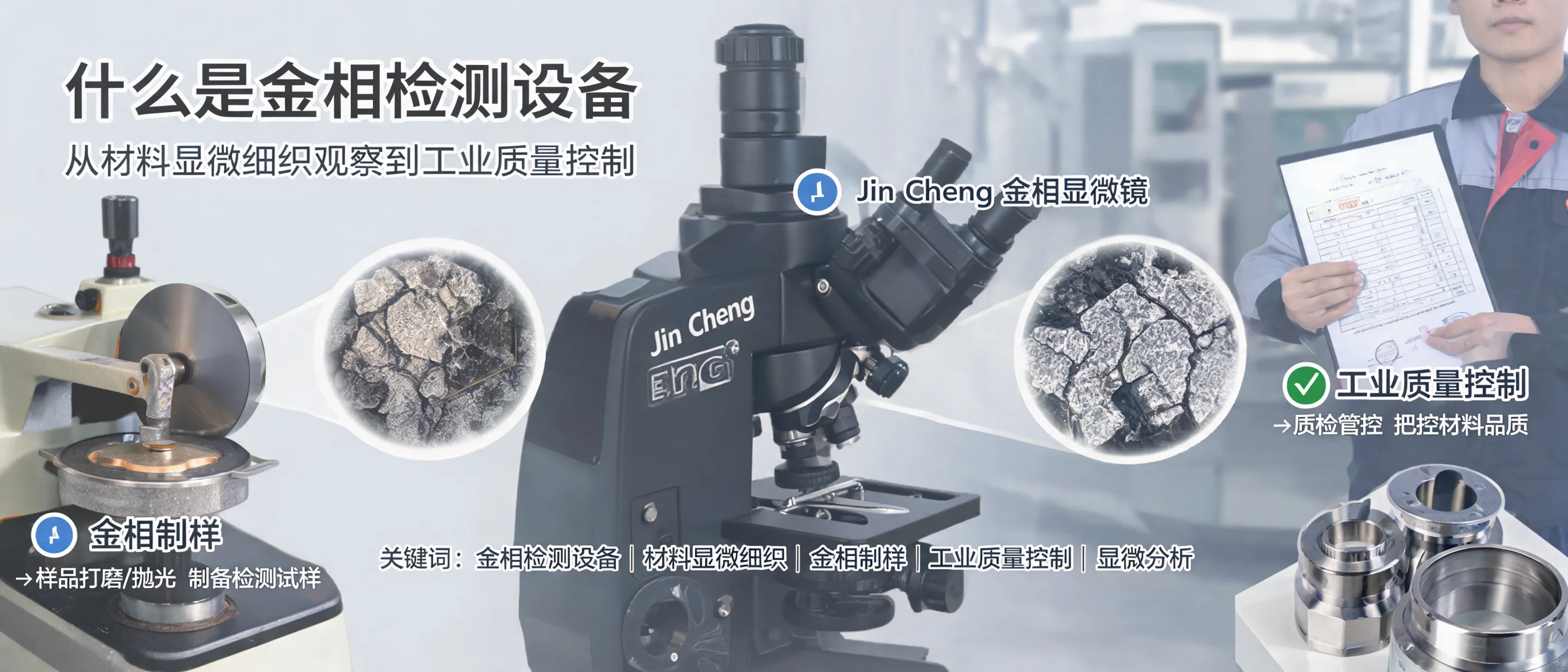
Metallographic testing equipment is the foundation of material microstructure analysis—the practical work of preparing a specimen, observing its structure under a microscope, and using those observations to support industrial quality control and technical decisions.
This page explains what metallographic testing equipment is, what it is used for, and where it applies—covering microstructure observation, metallographic specimen preparation, and how the workflow fits into manufacturing, metallurgy, research, and education.
What is metallographic testing equipment?
Metallographic testing equipment refers to the set of instruments used to reveal and evaluate the microstructure of metals (and many engineering materials). In practice, it typically includes:
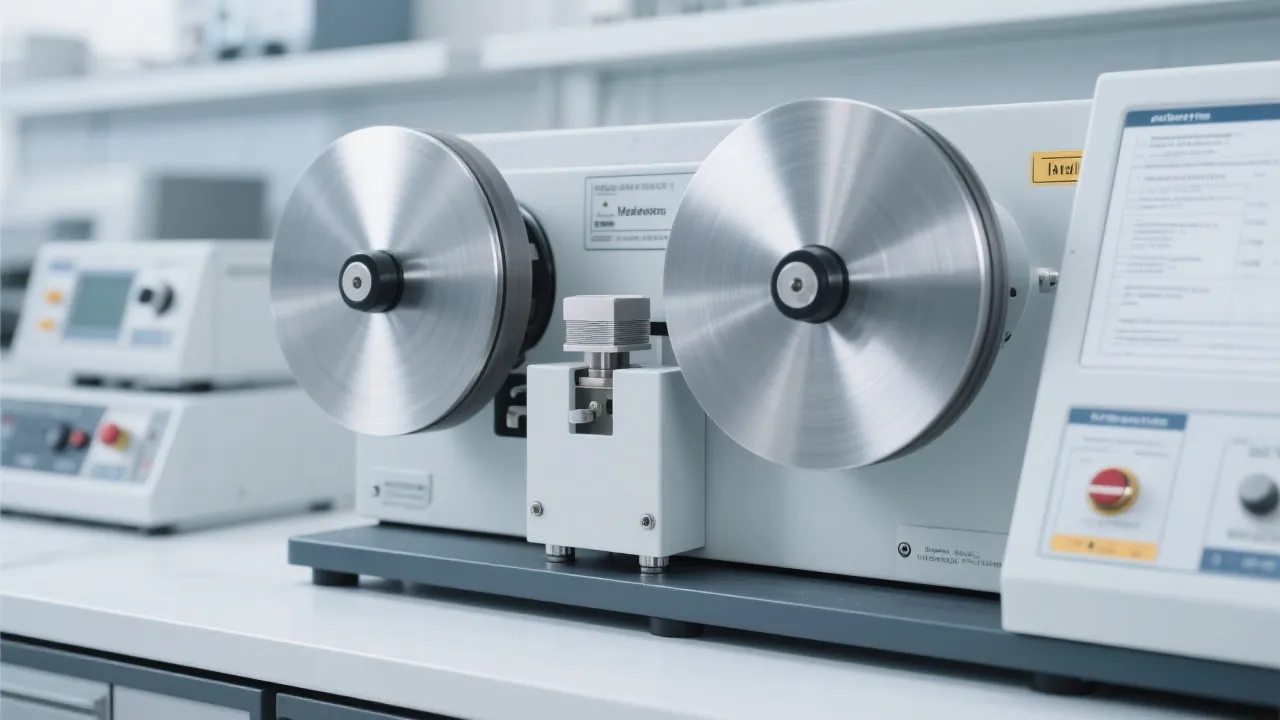
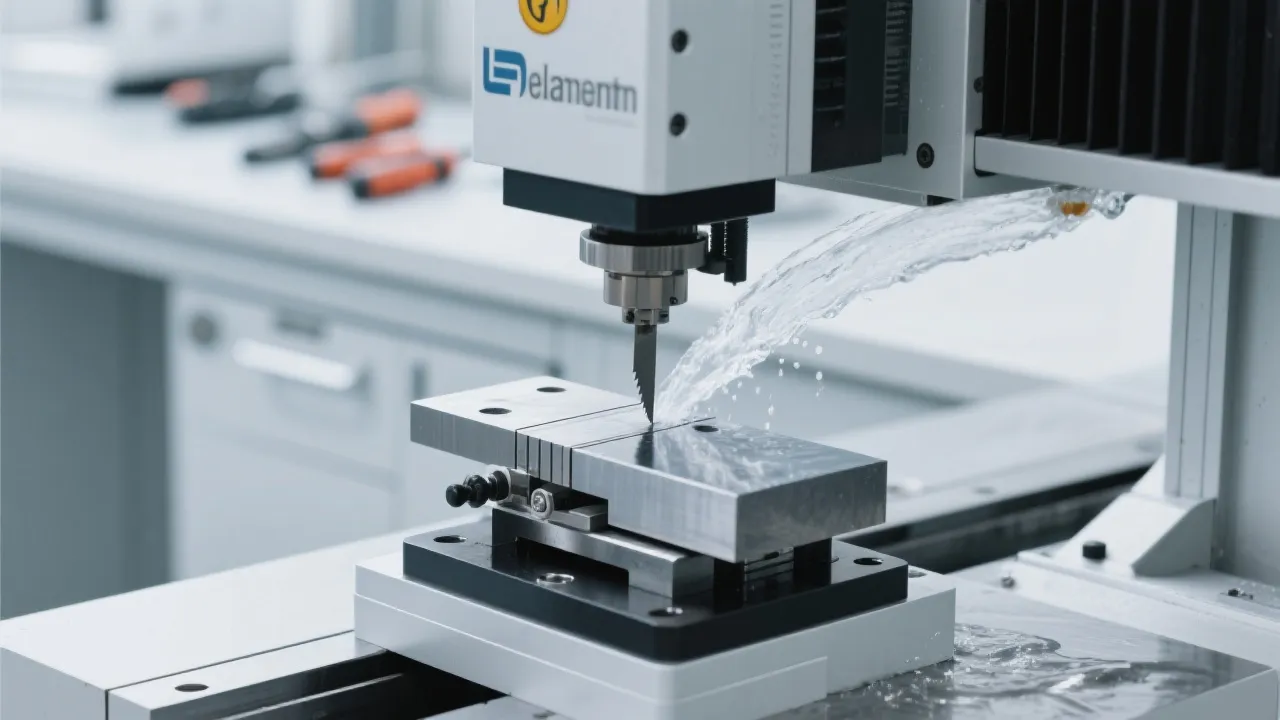
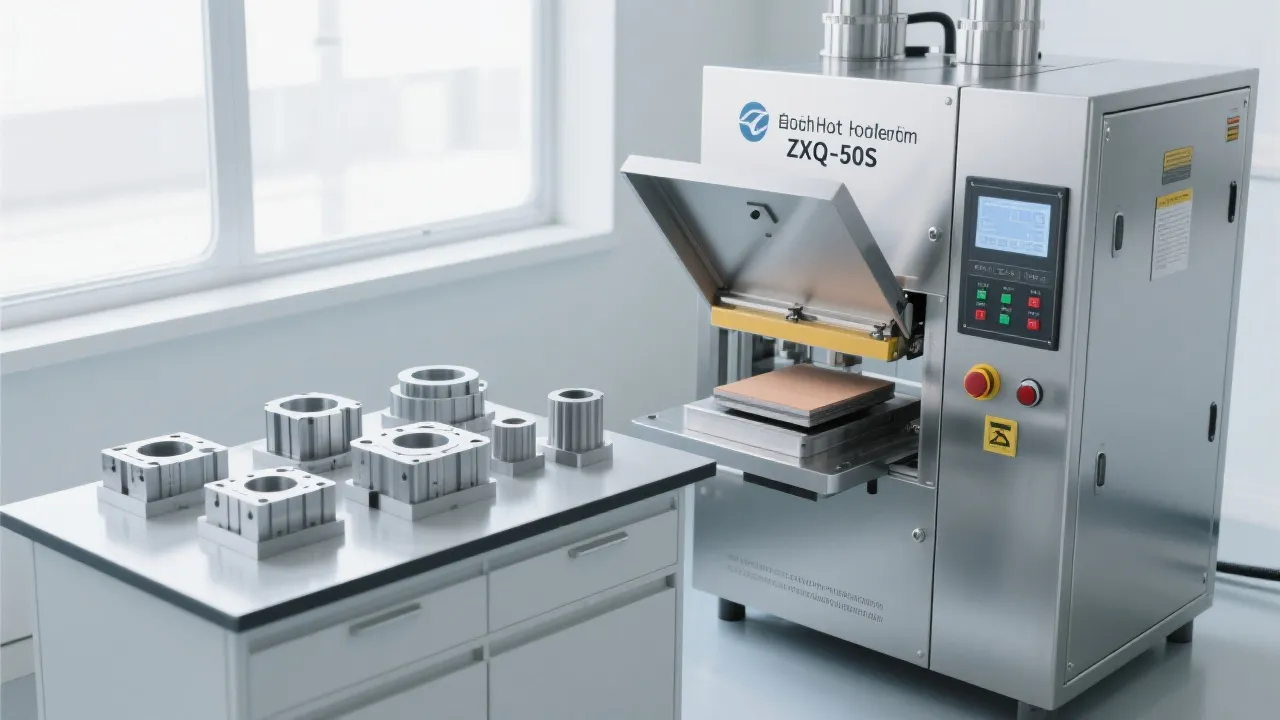
- Specimen preparation equipment to produce a flat, clean, and representative surface (e.g., cutting, mounting, grinding, polishing, etching support as required by the process).
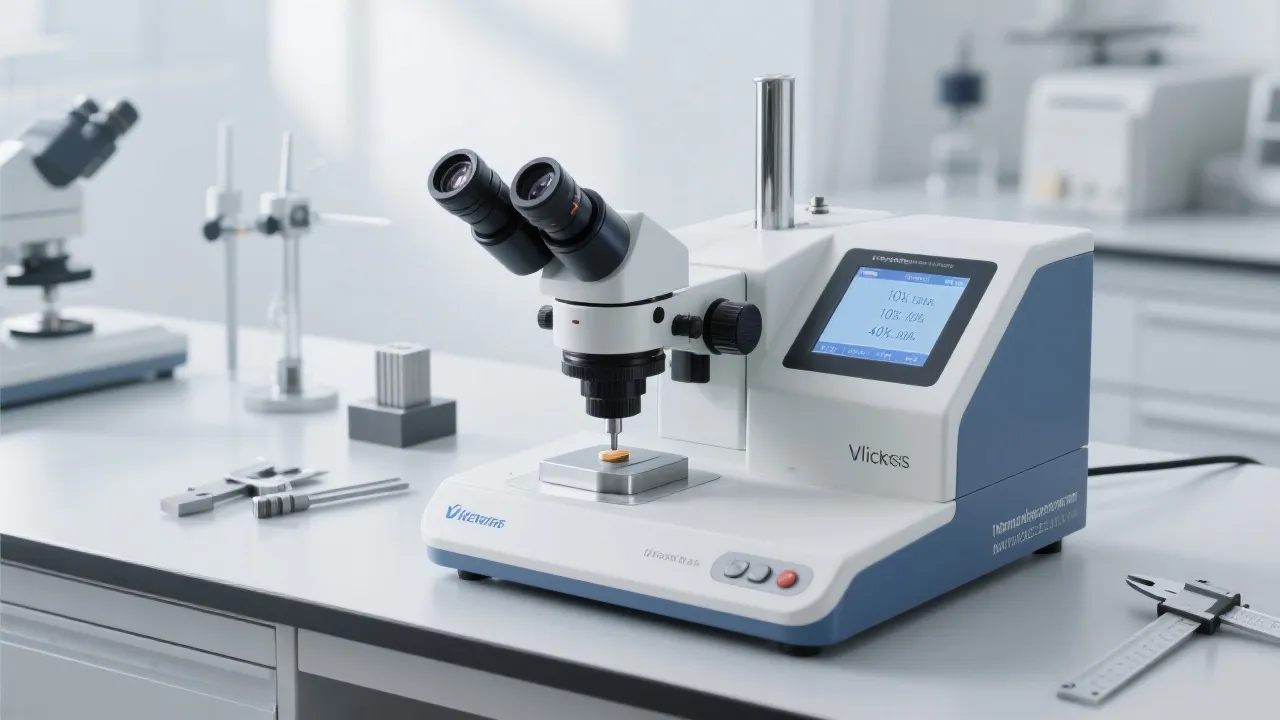
- Optical observation tools to examine microstructural features at suitable magnification and clarity (microscope and imaging-related components, depending on configuration).
- Workflow aids that improve repeatability—fixtures, consumables, and controlled preparation steps to reduce variability between operators and batches.
Metallography is not only “looking under a microscope.” The reliability of microstructure results depends heavily on consistent specimen preparation and a controlled observation procedure.
What does it support in microstructure analysis?
Microstructure observation
Enables clear viewing of grains, phases, inclusions, and other structural features—supporting material evaluation, process verification, and comparison between samples.
Metallographic specimen preparation
Provides repeatable preparation steps so the observed structure reflects the true material condition rather than preparation artifacts (scratches, deformation, contamination).
Quality control workflows
Supports routine inspection and process monitoring by standardizing preparation and observation—helpful for maintaining consistency across production lots and suppliers.
Typical metallographic workflow (high level)
While the exact procedure depends on material type and the standard being followed (commonly aligned with ASTM and ISO practices), a typical workflow includes:
- Define the objective (what feature or condition needs to be evaluated).
- Specimen selection & sectioning (obtain a representative piece).
- Mounting (if needed) for edge retention and handling stability.
- Grinding & polishing to produce a flat, scratch-minimized surface.
- Etching (as applicable) to reveal microstructural contrast.
- Microscopic observation & documentation (images, notes, comparisons).
- Result interpretation within the chosen method/standard and internal QC requirements.
Practical note: In metallography, preparation repeatability is often the key to comparable results. Standardized consumables and controlled steps reduce operator-to-operator variation.
Where metallographic testing equipment is used
| Application area |
Why metallography is used |
Typical outputs |
| Mechanical manufacturing |
Support process verification and routine QC by examining structure consistency and preparation quality. |
Images, comparison records, inspection notes. |
| Metallurgy |
Evaluate material condition and processing results through controlled specimen preparation and observation. |
Documented microstructure observations, internal QC evidence. |
| Laboratories & research teams |
Enable repeatable preparation and observation steps aligned with research protocols and standards. |
Image sets, method records, comparative analysis inputs. |
| Universities & education |
Support teaching of specimen preparation fundamentals and microstructure identification. |
Training samples, teaching documentation, student experiments. |
Manual vs. computerized approaches: how to think about selection
Metallographic specimen preparation systems are commonly configured as manual or computerized (automated/programmable) solutions. Selection depends on your throughput, repeatability requirements, and operator skill mix.
Manual metallographic preparation
- Straightforward operation and intuitive control for basic teaching and initial material evaluation.
- Good fit where flexibility is needed and throughput is moderate.
- Consistency depends more on operator technique and process discipline.
Computerized metallographic preparation
- Automation and controlled parameters help improve repeatability in specimen preparation.
- Designed to support precise preparation workflows; suitable for high-standard lab routines and demanding industrial inspection.
- Often paired with imaging/recording practices to improve traceability of preparation and observation.
Selection checklist (practical)
Specimen volume / daily throughput
Repeatability & standard alignment (ASTM/ISO)
Operator experience & training plan
Traceability & documentation needs
Consumables strategy (grinding/polishing)
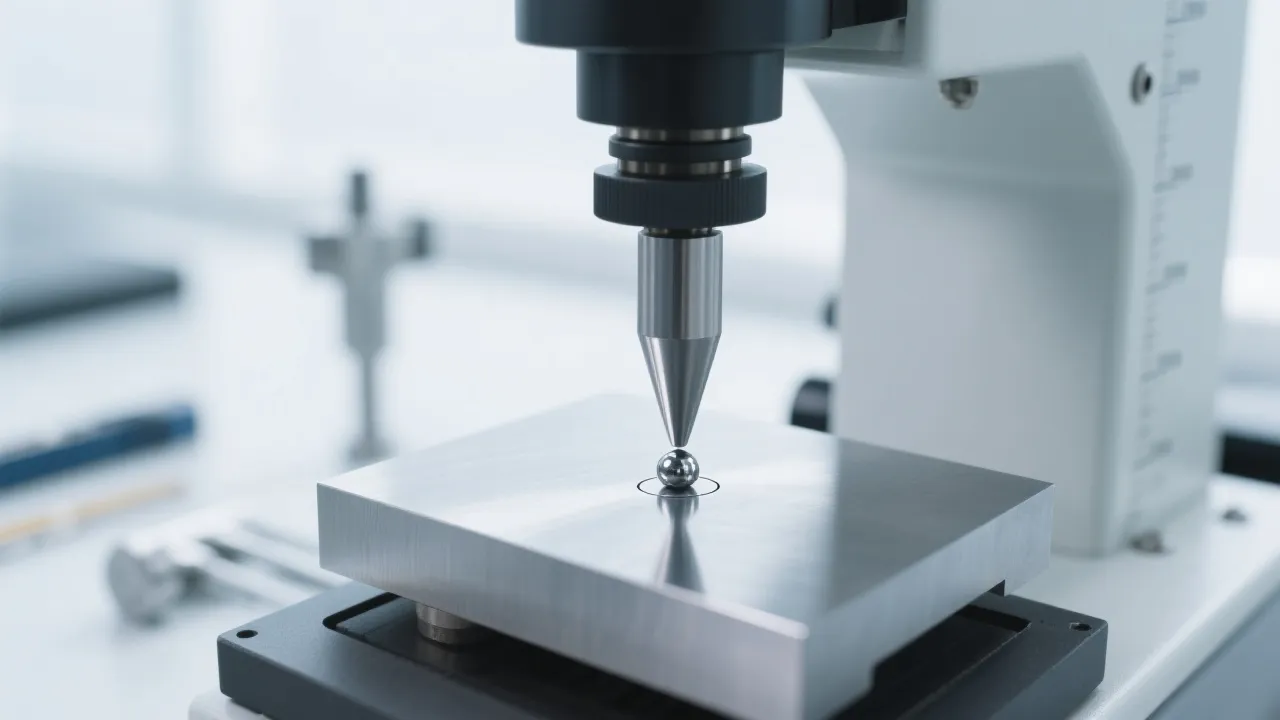
How metallography connects to hardness testing in quality control
In many quality control programs, microstructure observation and hardness testing are complementary. Metallography helps explain what the structure looks like, while hardness testing provides a quantitative reference point for material condition and consistency.
Laizhou Jincheng Industrial Equipment Co.,Ltd (Laizhou Jincheng) focuses on both metallographic and hardness testing solutions—supporting users who need a coherent inspection workflow from specimen preparation to evaluation.
About Laizhou Jincheng and support scope
Founded in 2004, Laizhou Jincheng Industrial Equipment Co.,Ltd provides complete solutions for metallographic inspection and hardness inspection, including equipment and consumables. Our portfolio covers manual metallographic specimen preparation systems as well as computerized preparation solutions designed for controlled, repeatable workflows aligned with common international practices.
Our products are used across mechanical manufacturing, metallurgy, chemical industry, power industry, universities, and research institutions. We also support customer-specific development for large-scale metallurgy online testing equipment when project requirements call for tailored design and manufacturing.
If you are evaluating equipment
Share your material type, specimen size, throughput needs, and the standards or internal procedures you follow. This helps determine the appropriate preparation approach (manual vs. computerized) and the supporting consumables.
Common deliverables for QC readiness
- Defined specimen preparation workflow
- Repeatable consumables selection
- Observation & documentation routine